
News
Jana Sangh Founder & Veer Savarkar in Haryana’s New School Curriculum
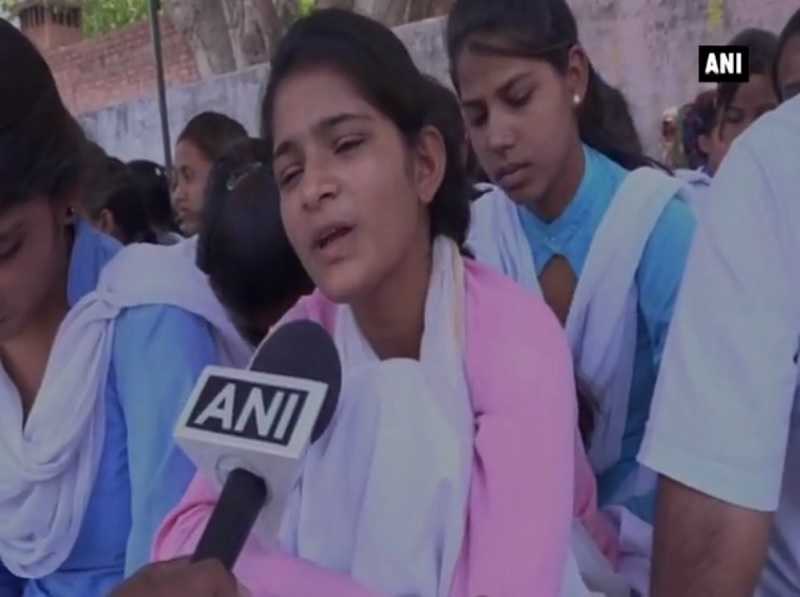
Students in Haryana will be taught about Jana Sangh founder Syama Prasad Mookerjee and freedom fighter Veer Savarkar under moral education.

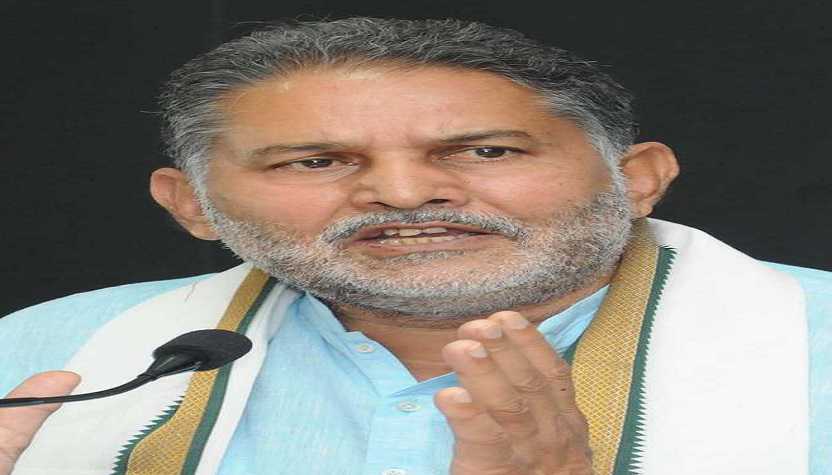
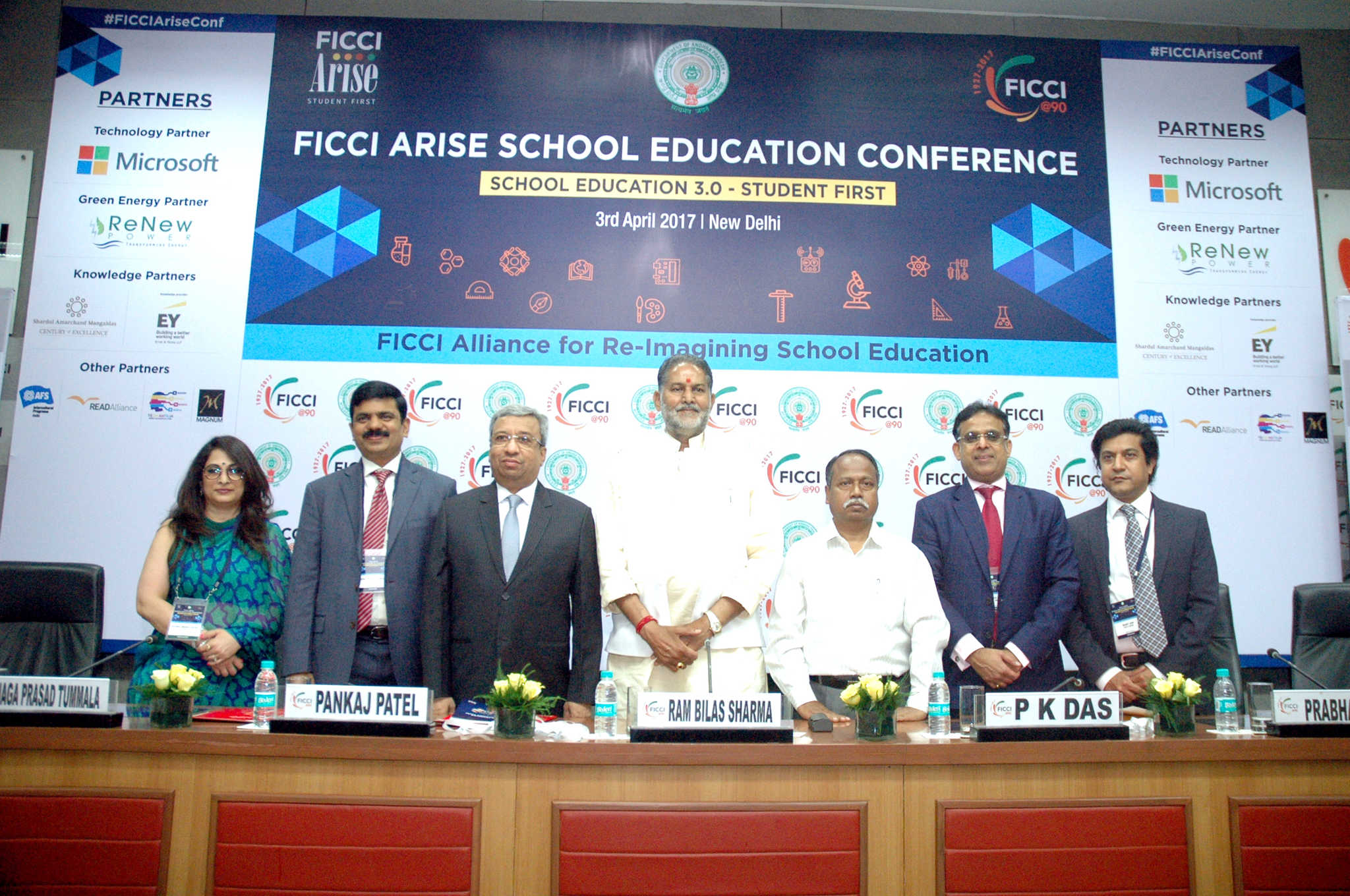
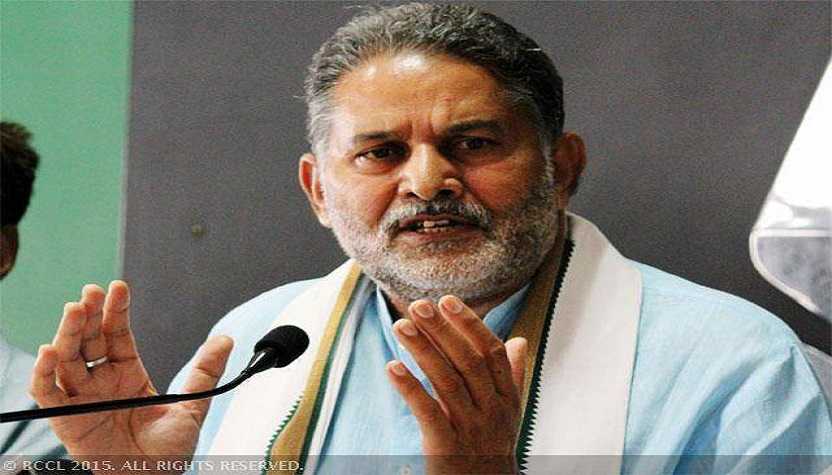
State education minister Rambilas Sharma announced that under moral education, Haryana Students will be taught about Jana Sangh founder Syama Prasad Mookerjee and freedom fighter Veer Savarkar, other than the texts from Gita and holy books of various religions.
Speaking to Press Trust of India on the controversial move to change syllabus of Class 6th to 12th, the minister told he has been with Rashtriya Swayamsevak Sangh (RSS), where moral education plays a big role in personality development and students' education.
The state education department is going to add moral education syllabus including some part of religious holy books such as Bhagvad Gita, Quran and books on Buddhism, Christianity… on freedom fighters, Syama Prashad Mookerjee, Veer Savarkar, Chandrashekhar Azad, Udham Singh, Bhagat Singh and others.
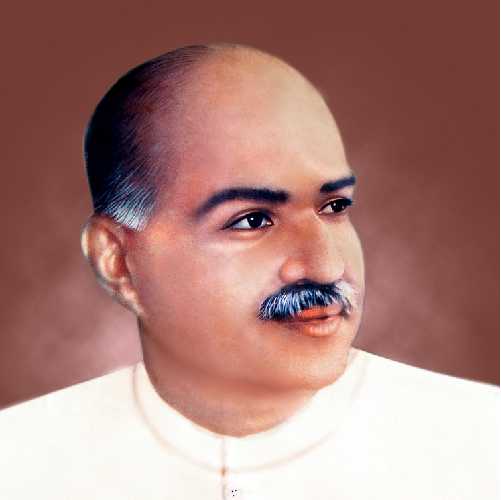
"They will be taught importance of the sun in life for personality development and moral duties so that they grow up as well-matured citizens and have a feeling of nationalism and patriotism," Mr Sharma said.
Mr Mookerjee and Mr Savarkar are Hindutva mascots. Earlier, Haryana government had faced flak from opposition parties over its proposal to introduce Gita in the curriculum after which it had said that texts from various religions will be included in the syllabus.
"We have already distributed newly drafted books in all government schools and this will be started in all government, private and public schools as a part of Haryana Education Department and Board syllabus from July 1, 2016 after the reopening of schools," Mr Sharma told.

Union Minister Smriti Irani, Haryana Chief Minister Manohar Lal Khattar, Swami Gyanendra, Member of Rashtriya Swayamsevak Sangh (RSS), and other prominent people in a programme on 'The importance of moral education in students life" at Kurukshetra University will officially announce it on July 5.

"Moral education imparted by RSS played an important role in the lives of students. Similarly, the new syllabus is aimed to develop the students into good citizens," said Mr Sharma.
Adding to which Sharma said "We have earlier handed over newly-drafted books to several government schools and teachers during this summer vacation so that they could go through the lessons from Gita and other spiritual texts which will be taught to students in government schools across Haryana as part of the new moral education curriculum."
According to sources, these newly drafted books and syllabus on moral education could later be introduced in other states where BJP is in power.
Image courtesy: desinema.com, politicalmirror.com







News
Why Indian schools are struggling to articulate who they are…
Most Indian schools sound exactly the same, hiding behind a “word soup” of pedagogy and excellence. Ed-Strategist Sushma Bharath explains why true articulation isn’t found in a thesaurus, but in the unique “narrative spine” that aligns a school’s mission with its daily operations.

If we go back to the question, what does articulation actually mean today?
Most schools immediately equate articulation with brand. And when you talk about brand, it quickly becomes visual presence. Then story, visual identity, social media, PR, content for SEO. There is now a fairly standard template that most schools believe they need to follow to establish who they are and what they stand for.
But here is the point. If every school is going to do that and if the words being used are largely similar, then how exactly are you articulating who you are?
The word soup across schools is largely the same. Learning. Pedagogy. Curriculum. Excellence. Faculty. Technology-first. Forward-thinking. Futuristic. Holistic. When all of these words are the same, articulation cannot be about vocabulary.
Articulation is not branding. It is not a game of whose dictionary or thesaurus is better. Ultimately, it becomes about what you do as a school. That is the critical piece.
And this is what most schools in India fail to understand. It is not what you say. It is not necessarily what you show. It is what you do.
When schools think about brand, it becomes about differentiation and attracting students and parents. That is strategic. But when you cannot find a unique identity, marketing goes wrong. Then it becomes everyone calling themselves holistic and future-ready.
The deeper problem is that marketing is treated as advertising, not as identity creation. Many schools do not do the deep narrative work or build a cultural core that aligns mission, pedagogy, community outreach and outcomes. So we come back to the same thing. It is not what you say. It is what you do.
Marketing teams can frame language. They cannot define strategy. Often, they are reacting to competitors. As a result, stories do not go beyond credentials and facilities. They do not showcase who the school is becoming for its community.
This becomes sharper because of scaling. With the growth of international schools, one campus becomes two, two become five. Replication leads to template branding. Schools strip their narrative down to the generic to avoid risk.
Leadership talks more about operational decisions than story decisions. Branding is perceived as advertising to attract people, not as culture or narrative. What we are really seeing is an identity crisis.
Most schools articulate what they have, not what they stand for.
They list infrastructure, boards, labs. But they miss the narrative spine. They miss a point of view about childhood, about learning, about success, about the kind of adult they are trying to shape.
For example, at a Bangalore-based school, when students raised concerns about traffic congestion and road quality around the campus, leadership did not treat it as just a facilities issue. Through a unique initiative, leadership and students together asked for change. It gained public attention. That is doing and showing rather than just saying. That is social impact as action.
Similarly, recently, at a prestigious boarding school in Rajasthan during its milestone celebrations, much of the effort was brought together by alumni. Committed former students went above and beyond through their networks to make the celebration a reality. That level of alumni ownership shows belief. It shows love for what the school has done for them and their desire to see it passed on. That is articulation through community.
At a recent conference in Kerala, a local school did not just put its name on a banner. Their students acted as guides and hosts throughout the event, helping and asking if anyone needed anything. It was not performative. It was operational. If you claim service, you show service.
These examples show what it means to do rather than say.
There is also risk aversion. Education is a trust business. Many schools do not want to take a tough stand in terms of who they are and what they prioritise. So messaging becomes safe.
The result is a sea of sameness.
If schools want to move beyond this, a few things are critical.
Define a core thesis. Say we prioritise this over this and stand by it.
Stop copying the category.
Align marketing with operations. The marketing team cannot invent differentiation. It must come from leadership and from the learning team.
Showcase real stories.
And choose what you are not. Be clear about who you serve and who you can really help.
Articulation is not about better adjectives. It is about conviction translated into action. Until schools move from advertising to identity, they will continue to sound the same.

Sushma Bharath is an Ed-Strategist and consultant with over 20 years of experience. She specializes in brand positioning, storytelling, and strategic alignment for K-12 schools, universities, and ed-tech ventures. Formerly a leader at Hero Vired and Jigsaw Academy, she currently consults for organizations like Inventure Academy.
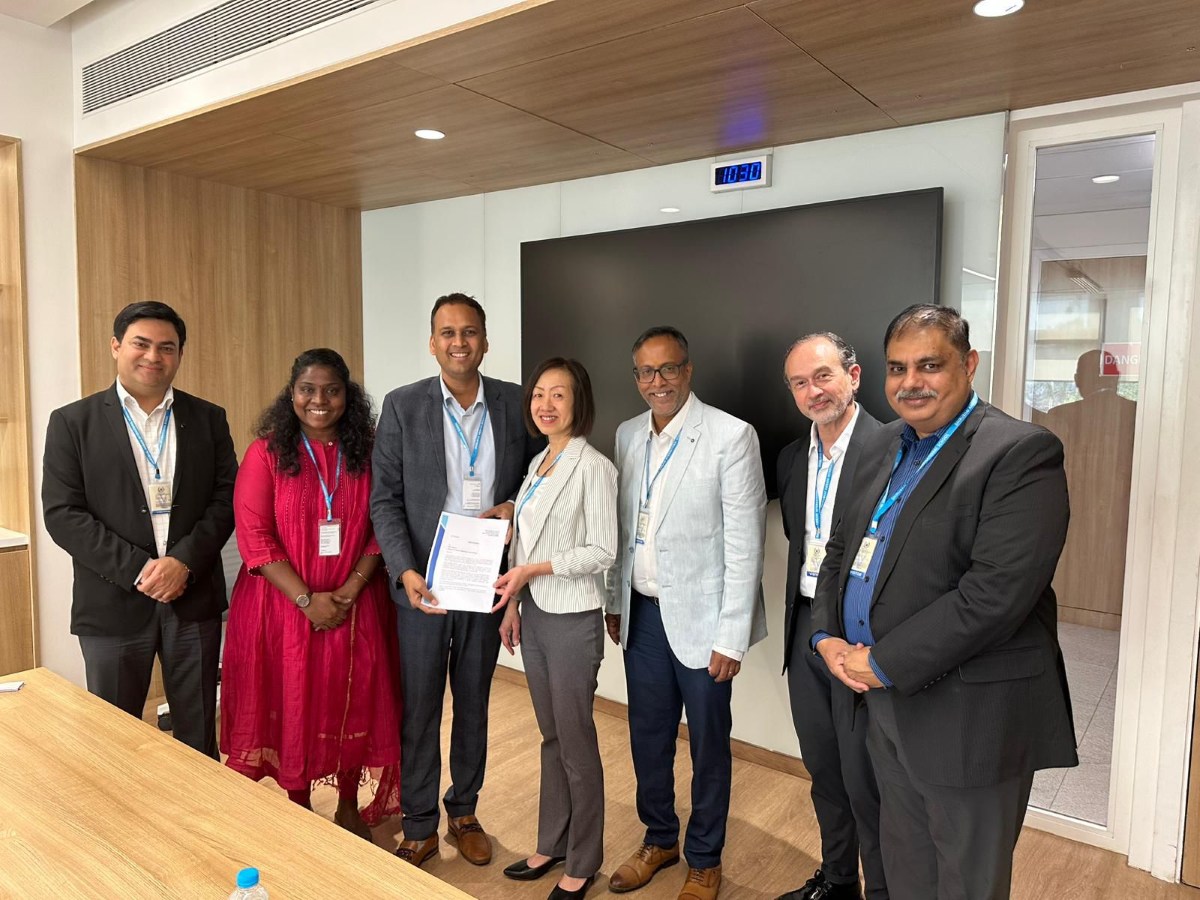
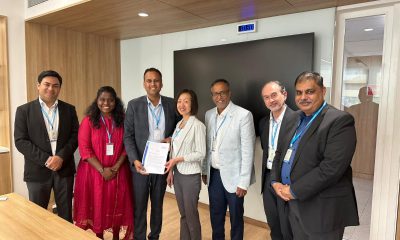
BENGALURU – United Learning League (ULL) has closed a ₹100 crore seed round and formally submitted its Expression of Interest to the International Baccalaureate (IB) Organisation, marking one of the largest early-stage capital commitments for a greenfield K–12 school network in India.
ULL is owned and led by a group of educators and young entrepreneurs, headed by Pritam Agrawal, founder of Hello Kids, one of India’s largest preschool chains. The company plans to open five IB-affiliated campuses across India over the next five years. Its first flagship campus is currently under development.
IB Leadership Engagement
The EOI submission followed a strategic meeting at Nita Mukesh Ambani Junior School, Mumbai, where ULL founders met with senior IB officials:
- Haif Bannayan, Director — Europe, Middle East, Africa and Canada
- Nicole Bien, Chief Community Partnership and Development Officer
- Mahesh Balakrishnan, Senior Manager, South Asia
- Ashish Trivedi, Head of Government Partnerships
In Their Words
“We are building a new benchmark in education — where global standards meet thoughtful accessibility. India has world-class ambition. It deserves world-class schools.”
— Pritam Agrawal, Founder and Head, United Learning League
“What drew our group to ULL was Pritam’s rare blend of vision and operational depth. He understands where education is headed — and he knows how to build for that future today. We are not backing a business. We are backing an institution in the making.”
— A lead investor
About United Learning League
ULL is a Bengaluru-based premium K–12 education company building a network of IB-affiliated schools in India. Its model combines centralised academic governance with local execution across campuses.
News
From Marks to Meaning: Why Schools Need Holistic Education?
What does it truly mean to educate a child? As classrooms evolve and the world grows more complex, schools are being called to look beyond grades and report cards. In this piece, Ranjith P C makes a compelling case for holistic education — one that nurtures not just the mind, but the heart, character, and curiosity of every learner.

For generations, success in school has been measured mainly through marks and grades. Report cards, percentages, and ranks often dominate conversations between parents, teachers, and students. But in today’s rapidly changing world, the ability to memorise facts or score well in exams is no longer enough. What truly matters is how students learn to think, communicate, collaborate, and contribute meaningfully to society. This is where holistic education steps in.
Beyond Textbooks and Tests
Holistic education recognises that every child is more than just a mind trained to answer exam questions. It focuses on nurturing the intellectual, emotional, social, physical, and creative aspects of a learner. A student may excel in mathematics but also have a passion for painting, music, or sports. A holistic approach ensures these interests are valued and developed alongside academics.
Why It Matters Today?
In a world shaped by technology, global challenges, and cultural diversity, children need skills that go far beyond rote learning. Employers, innovators, and leaders look for people who can solve problems creatively, empathise with others, adapt to change, and make ethical choices. These qualities can’t be measured by a single exam score—but they can be cultivated through holistic education.
The Benefits of Holistic Learning
- Stronger Life Skills – Students learn teamwork, leadership, communication, and resilience.
- Emotional Well-being – Mindfulness, art, and physical activities help children manage stress and build confidence.
- Creativity and Critical Thinking – Encouraging curiosity leads to innovation and deeper understanding.
- Character and Values – Lessons on empathy, respect, and responsibility prepare students to be compassionate citizens.
Schools That Inspire
Forward-looking schools around the world are blending academics with sports, arts, service projects, environmental awareness, and entrepreneurship programs. Classrooms are becoming more interactive, encouraging students to ask questions, debate ideas, and apply knowledge in real-life contexts.
Moving From Marks to Meaning
Exams may still remain a part of education, but they should not define a child’s worth or future. Instead, schools need to become places where learning is exciting, balanced, and connected to life beyond the classroom. Parents and educators must work together to ensure that children grow into curious learners, kind individuals, and responsible global citizens.
In short, holistic education helps us move from a system that chases marks to one that creates meaning—for individuals, communities, and the world at large.
About the Author:
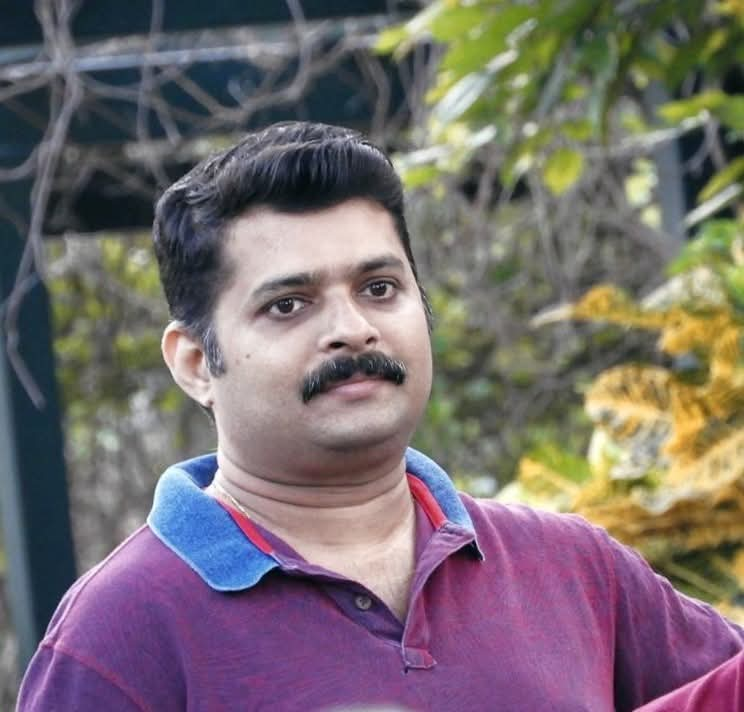
Ranjith P C, Head of Curriculum Excellence & Training at TVS Educational Society, is an IIT Madras and IIM Trichy alumnus passionate about transforming education.
He bridges complex mathematics with classroom impact, mentoring teachers and students while championing holistic development—nurturing character, creativity, and resilience beyond exam scores in today’s digital age.
News
Dr Arunabh Singh Named ARISE President-Elect at Varanasi Meet
At a landmark Members’ Meeting in Varanasi, the Association for Reinventing School Education (ARISE) elected its new President-Elect, constituted State Councils across twenty states, and reaffirmed its place as India’s leading platform for progressive school reform. Here’s a full account of what unfolded.
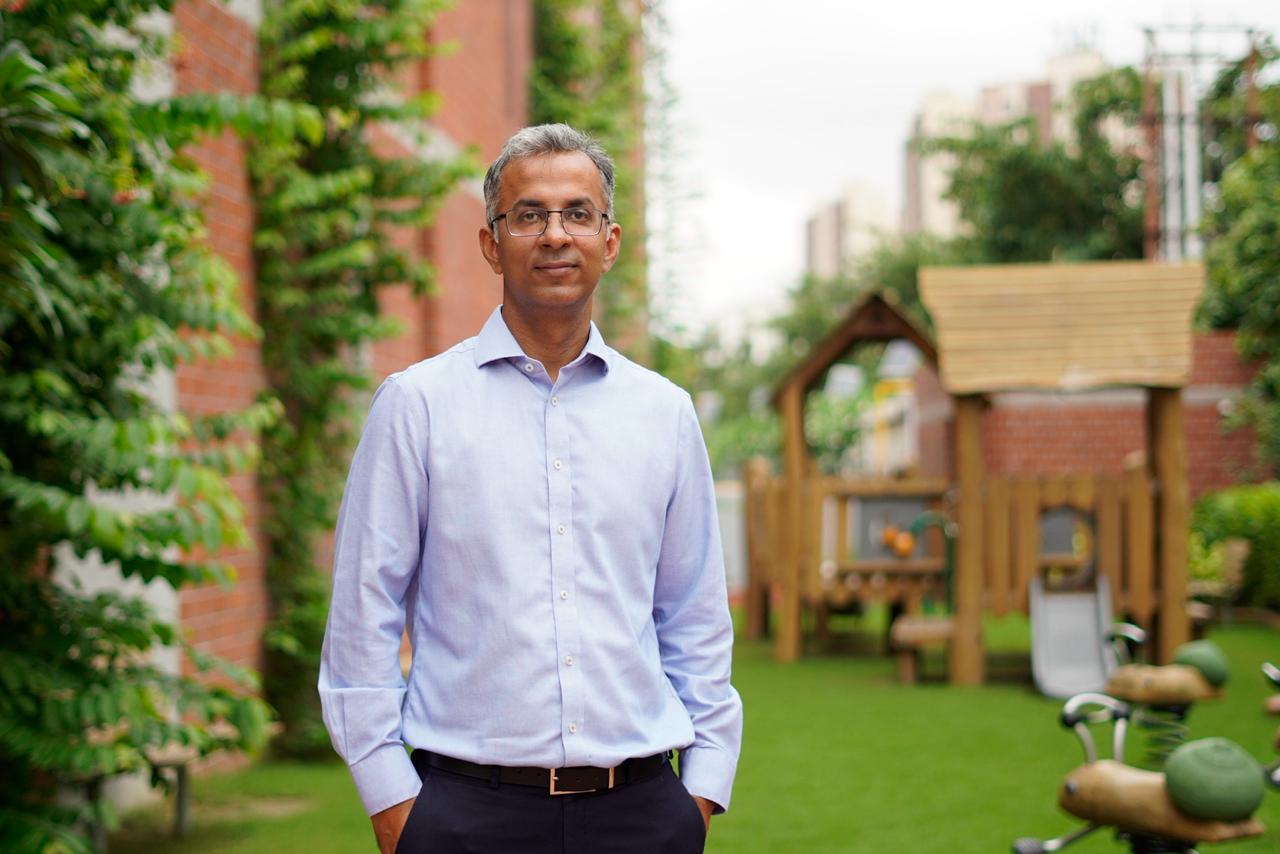
Dr Arunabh Singh, Director of Nehru World School and Co-founder of Healthy Planet TGA, has been named President-Elect of the Association for Reinventing School Education (ARISE) for FY 2026-27, marking a significant moment in the evolution of one of India’s most credible platforms for progressive school leaders.
The announcement was made at ARISE’s Members’ Meeting held in Varanasi on March 21, 2026, which brought together founders and school leaders from across the country for two days of strategic dialogue and institutional transition.
Outlining his priorities for the year ahead, Dr Singh said: “ARISE represents the collective voice of progressive schools across the country. Going forward, our focus will be on strengthening collaboration, advancing policy engagement, and building future-ready institutions that place students at the centre.”
Outgoing President reflects on two years of growth
Outgoing President Mr. Praveen Raju, Founder of Suchitra Academy and Sagebrook International School, Hyderabad, handed over the Presidential Baton at the meeting’s closing ceremony. Reflecting on his tenure, Mr. Raju said: “Over the past two years as an independent institution, ARISE has grown significantly — institutionally, structurally, and in membership — emerging as a credible and unified national platform for progressive school leaders. The trust and spirit of collaboration among members remain the foundation of this journey.”
New State Councils announced across twenty states
A key highlight of the Varanasi meeting was the announcement of ARISE’s newly constituted State Councils for FY 2026-27, with leadership appointments spanning twenty states and union territories.
Andhra Pradesh is led by Chair M Padma Subrahmanyam and Co-Chair Mahadev Vasireddy. Assam will be chaired by Nellie Ahmed. Bihar’s council is headed by Mrigya Singh. In Gujarat, Kavish Gadia takes charge as Chair with Kush Dinesh Sakaria as Co-Chair.
Haryana’s council is led by Chair Aditi Misra and Co-Chair Yash Prakash. Jammu and Kashmir will be chaired by Nandan Kuthiala. Karnataka’s council is headed by Srinivas Kumar Chalasani. In Madhya Pradesh, Siddharth Singh Girnar takes the chair.
Maharashtra is led by Chair Irshad Patel and Co-Chair Shailesh Dalmia. New Delhi’s council is headed by Chair Rahul Aggarwal and Co-Chair Jyoti Arora. Odisha will be chaired by Dr Silpi Sahoo. Punjab’s council is led by Chair Manjot Dhillon and Co-Chair Robin Aggarwal.
Chandigarh will be chaired by Gurpreet Bakshi. Rajasthan’s council is headed by Chair Ragini Kachhwaha and Co-Chair Deepak Sharma. Uttar Pradesh is led by Chair Shalini Singh and Co-Chair Saifi Khwaja Yunus. Uttarakhand’s council is headed by Chair Bharat Goyal and Co-Chair Manoj Kumar Khera.
Telangana is led by Chair Meghana Jupally and Co-Chair Satya Datla. Tamil Nadu’s council is headed by Chair Vikram Ramakrishnan and Co-Chair RJ Thayumanaswamy. West Bengal will be chaired by Pradip Kumar Agarwal. Kerala’s council is led by Rajesh George Kulangara.
These councils will play a central role in strengthening ARISE’s regional presence, member engagement and policy dialogue at the ground level through 2026-27.
Senior education leaders address the meeting
The two-day meeting drew participation from senior figures across India’s school education ecosystem. Dr Joseph Emmanuel, Chief Executive and Secretary of CISCE, delivered a special address emphasising the transformative power of collective school leadership. “When progressive schools come together with shared purpose and collective strength, they can transform the school education landscape in phenomenal ways,” he said.
Dr Praggya M Singh, Professor and Director of Academics at CBSE, underlined the value of direct engagement with school leaders in shaping policy. “Interactions with school leaders provide valuable ground-level insights into classroom realities and emerging needs, which are essential for shaping responsive academic initiatives,” she said.
Representatives from international education boards also attended, including Mahesh Balakrishnan, Manager South Asia at the International Baccalaureate, and Vinay Sharma, Senior Vice President and Regional Director South Asia at Cambridge International Education — reflecting ARISE’s engagement across both national and global school education frameworks.
Agenda focused on policy and professional development
The meeting’s deliberations covered leadership effectiveness, institutional governance, learning and development priorities and the liberalisation of the K-12 sector. A dedicated expert session on India’s new Labour Codes provided school leaders with practical guidance on compliance requirements and operational implications for educational institutions.
The Members’ Meeting concluded with a collective commitment to reform-oriented dialogue, stronger collaboration and a shared determination to shape the future of school education in India.
Education
Supreme Court’s Landmark Judgment for Schools: Menstrual Health is a Fundamental Right
In a transformative judgment delivered on January 30, 2026, the Supreme Court of India has unequivocally placed menstrual health within the ambit of fundamental rights, linking dignity, education, and equality in classrooms across the country. This ruling goes beyond infrastructure mandates to address stigma, awareness, and school culture—reshaping how institutions must support adolescent girls. ScooNews breaks down what the judgment says and what it now requires every school leader to do.
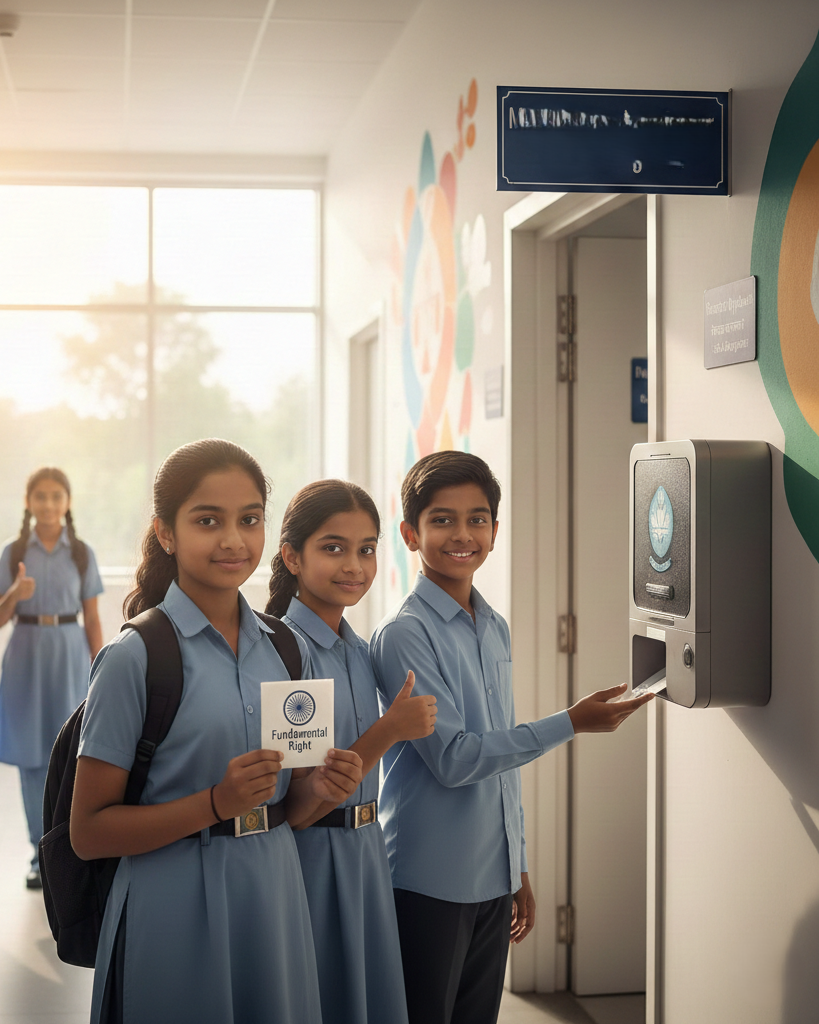
In a landmark judgment that firmly connects constitutional law with everyday classroom realities, the Supreme Court of India has declared menstrual health a fundamental right, placing it squarely within the ambit of Article 21 (Right to Life with dignity) and Article 21A (Right to Education).
Delivered on January 30, 2026, by a Bench of Justices J.B. Pardiwala and R. Mahadevan, the ruling in Jaya Thakur vs Union of India goes far beyond symbolic recognition. It lays down clear, enforceable obligations for schools—government and private alike—transforming menstrual hygiene from a welfare measure into a constitutional duty.
For school leaders, this judgment marks a decisive shift: menstrual dignity is no longer optional, charitable, or discretionary. It is a core educational standard.
Why the Court Intervened
The Court acknowledged what educators and parents have long known but systems have often ignored:
lack of menstrual hygiene support is a direct barrier to girls’ education.
Absenteeism, discomfort, fear of embarrassment, inadequate toilets, and social stigma collectively push many girls out of classrooms—sometimes temporarily, sometimes permanently. By recognising menstrual health as integral to dignity and learning, the Court affirmed that no girl should ever have to choose between her education and her period.
What the Court Said
The judgment rests on three powerful principles:
- Menstrual health is inseparable from dignity and bodily autonomy, which are central to the Right to Life.
- Education cannot be meaningful if menstruation becomes a reason for exclusion, discomfort, or discrimination.
- Infrastructure alone is insufficient—social stigma, silence, and male insensitivity must also be addressed.
In a telling observation, the Court noted that “ignorance breeds insensitivity” and warned that menstrual facilities will remain underused unless schools actively dismantle stigma.
What Schools Must Now Do
The Court’s directions are both practical and time-bound, with a three-month implementation window. They fall into two clear buckets: infrastructure and ecosystem change.
-
Physical Infrastructure: The Non-Negotiables
All schools—government and private—must ensure:
- Free provision of biodegradable sanitary pads, with a preference for discreet access such as vending machines.
- Functional, gender-segregated toilets with running water, soap, privacy, and regular maintenance.
- Disabled-friendly sanitation facilities, ensuring inclusivity for all students.
- Safe and hygienic disposal systems, including covered bins and environmentally compliant solutions.
- Creation of a Menstrual Hygiene Management (MHM) Corner stocked with emergency supplies such as spare uniforms, innerwear, and hygiene kits.
The Court made it clear that absence of these facilities amounts to denial of constitutional rights.
-
Cultural & Educational Shift: The Ecosystem Solution
Perhaps the most progressive aspect of the ruling is its insistence that menstrual health is not a “girls-only issue.”
Schools are now expected to:
- Sensitise boys about menstruation as a normal biological process, removing shame, jokes, and harassment from school spaces.
- Train male teachers and staff to respond empathetically to menstruation-related needs, without interrogation or embarrassment.
- Integrate age-appropriate, gender-responsive content on menstruation and puberty into health and wellness curricula, in line with NCERT/SCERT guidance.
- Foster a school culture where menstruation is discussed openly, respectfully, and without euphemism.
The message is unambiguous: pads without dignity do not equal access.
A Clear Warning to Private Schools
The Supreme Court issued a firm caution to private institutions:
non-compliance can lead to de-recognition.
By linking menstrual hygiene directly to the Right to Education, the Court has placed accountability squarely on school managements. Compliance is no longer a matter of reputation—it is a legal obligation.
Why This Judgment Matters
This ruling represents a rare moment where law, education, health, and gender equity intersect meaningfully.
It acknowledges that:
- Equality in education requires both facilities and acceptance
- Silence around menstruation is itself a form of discrimination
- Boys and men must be part of the solution—not bystanders
For school leaders, this is an opportunity to lead with empathy, foresight, and constitutional responsibility.
The Bottom Line
The Supreme Court has drawn a clear line:
menstrual dignity is a right, not a favour.
Schools that act decisively now will not only meet compliance requirements but will also create environments where every student feels safe, supported, and respected—every day of the month.
Education
Beyond the First Bell: 5 Key Takeaways for School Leaders from Economic Survey 2025–26
The Economic Survey 2025–26 signals a definitive pivot in India’s education strategy. While infrastructure goals have largely been met, the focus now shifts to bridging the higher secondary gap and fixing a vocational training deficit that remains under 1%. For school leaders, success is no longer measured by enrolment, but by measurable competencies, digital wellness, and global readiness.

The Economic Survey 2025–26, tabled in Parliament on January 29, 2026, presents an arresting paradox. India has successfully built one of the world’s largest schooling systems—educating 24.69 crore students—yet only six out of ten learners complete higher secondary education.
For school leaders, the Survey’s message is unambiguous: the national focus is shifting from inputs (getting children into school) to impact (ensuring they learn, progress, and stay). What follows are five findings that matter most inside the school gate.
1. The “Leaky Bucket”: Transitioning from Middle to Secondary
While primary enrolment is near-universal (90.9%), the Survey identifies a structural drop-off after Class 8.
Reality check: The Net Enrolment Rate (NER) at the secondary level stands at just 52.2%.
The rural gap: Only 17.1% of rural schools offer secondary education, compared to 38.1% in urban areas. Longer travel distances and higher costs lead to significant transition losses.
What this means for schools:
- The Survey strongly backs Composite Schools (K–12 models) to reduce dropout risk.
- Schools serving Classes 6–10 should prioritise transition counselling, parent engagement, and academic bridging.
Leader takeaway: Retention, not recruitment, is now the real leadership challenge.
2. Learning Outcomes: The PARAKH Recovery Story
Post-pandemic recovery is visible, particularly in foundational years—but learning quality remains uneven across states and school types.
Encouraging gains:
- Grade III Mathematics proficiency has risen to 65%, up from 42% in 2021.
What’s next:
- The Survey proposes a PISA-like, competency-based assessment at the end of Class 10, signalling a decisive move away from rote learning.
What this means for schools:
- Internal assessments will increasingly need to mirror National Achievement Survey (NAS) benchmarks.
- Performance-linked accountability is no longer hypothetical—it is imminent.
Leader takeaway: Assessment literacy will become as important as curriculum delivery.
3. The Skilling Crisis: Addressing the 1%
Perhaps the most candid section of the Survey exposes a stark education–employment mismatch.
The 1% problem: Only 0.97% of students aged 14–18 have received formal institutional skilling.
Structural issue: Education and skilling continue to operate in parallel silos, leaving most learners academically qualified but workplace-unready.
What this means for schools:
- Vocational exposure must be embedded within Classes 9–12, not offered as an optional or external add-on.
- Partnerships with local industry, NSDC-aligned providers, and apprenticeship platforms will become critical.
Leader takeaway: Schools that integrate skills early will future-proof their students—and their relevance.
4. Digital Exposure: Pedagogy vs. Addiction
In a significant first, the Economic Survey flags digital addiction as a threat to student wellbeing, learning focus, and social capital.
The paradox:
- 89% of rural youth now have access to smartphones.
- 75% use them primarily for social media, contributing to sleep deprivation, reduced attention spans, and anxiety.
What this means for schools:
- The Survey recommends introducing a Digital Wellness Curriculum, covering:
- Screen-time literacy
- Cyber safety
- Responsible AI and social media use
Leader takeaway: Digital fluency must now include digital restraint.
5. Global Ambitions: Stemming the Student Exodus
India is on track to become the world’s largest source of international students, with outbound numbers expected to reach 18 lakhs by 2025. Yet, international students form just 0.10% of domestic enrolment.
The strategy:
- The Survey promotes “Internationalisation at Home”—inviting foreign campuses, enabling joint degrees, and ensuring mutual recognition of qualifications.
Key enablers already in place:
- Academic Bank of Credit (ABC)
- APAAR IDs (with 2.2 crore already issued)
What this means for schools:
- Senior secondary students should be actively guided on credit portability, interdisciplinary choices, and global pathways.
Leader takeaway: Global readiness is no longer optional—it is systemic.
The Bigger Shift: Learning Over Schooling
The Economic Survey 2025–26 makes one thing clear: India’s education mission has entered its second phase. Infrastructure and access have largely been achieved. The next frontier is retention, relevance, and real learning.
For school leaders, success will no longer be measured by enrolment numbers alone, but by:
- Meaningful learning outcomes
- Student wellbeing and digital balance
- Employability and global mobility
The bell has rung. What happens after it now matters more than ever.
News
Inclusive Education Summit 2026: Designing the Future of “Learner-Centric” Education
The Inclusive Education Summit 2026 gained significant momentum on Day 2, moving from policy vision to practical implementation. Focused on “Inclusive Education Pathways,” the session highlighted the transformative PRASHAST 2.0 digital screening tool and groundbreaking state models from Andhra Pradesh and West Bengal. Industry experts from NCERT, NIOS, and UNICEF emphasized a critical shift from mere “classroom access” to “academic achievement” through Universal Design for Learning (UDL). By integrating assistive technology, specialized teacher training, and inclusive sports, the summit is redefining how India supports Children with Special Needs, ensuring that every learner has a personalized path to success.
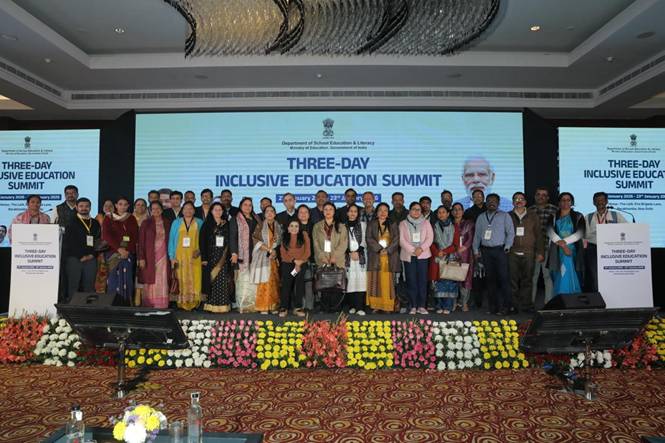
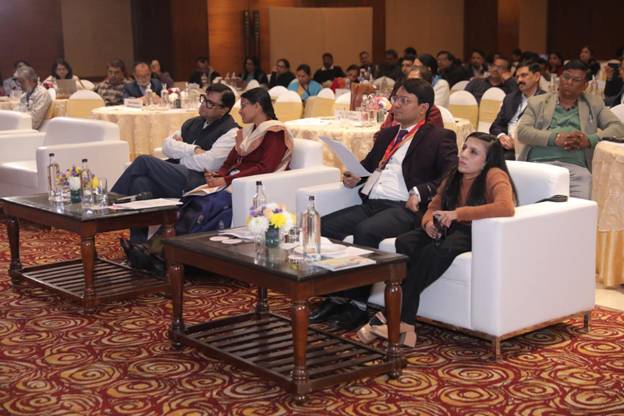
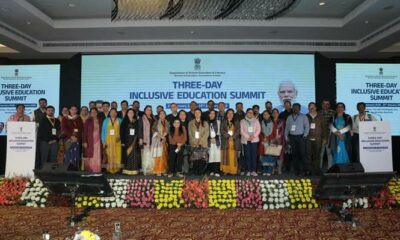
New Delhi | January 22, 2026 – As the three-day Inclusive Education Summit 2026 enters its second day, the conversation has shifted from policy theory to tangible pathways. Organised by the Ministry of Education (DoSEL) at The Lalit, New Delhi, the summit is setting a high bar for how India intends to align with NEP 2020 and the RPwD Act 2016.
While Day 1 set the stage, Day 2 focused on the “how”—the digital tools, pedagogical shifts, and inter-sectoral collaborations required to ensure no child is left behind.
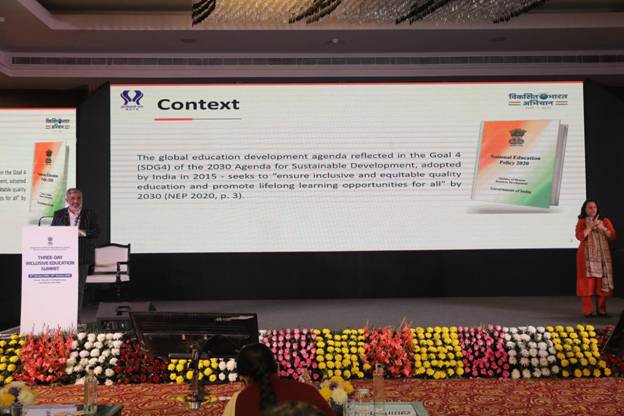
1. Digital Transformation: PRASHAST 2.0 Takes Center Stage
The most significant tech highlight was the unveiling and live demonstration of PRASHAST 2.0. Introduced by Ms. Ira Singhal (Deputy Secretary, DoSEL), this revamped disability screening tool is designed to move the needle on early identification.
-
Integrated Ecosystem: The tool now integrates directly with UDISE+, allowing for real-time tracking and data-driven interventions.
-
The Goal: Moving away from guesswork toward evidence-based planning at the school level.
2. Scalable Success: Lessons from the States
The summit showcased that inclusion isn’t just a national mandate; it’s a local reality. Two states shared blueprints that other school leaders can learn from:
-
Andhra Pradesh: Highlighted the transformative impact of their 125 Autism Support Centres.
-
West Bengal: Showcased a model of strengthening resource rooms to provide child-centric interventions immediately after identification.
3. Reimagining Pedagogy and Teacher Training
A recurring theme throughout the day was that “access” to a classroom is not the same as “achievement” in learning.
-
NCERT’s New Framework: Dr. Sharad Sinha presented an 8-module framework designed to mainstream inclusive pedagogy. The focus is on training teachers to manage diverse classrooms as the norm, not the exception.
-
NCTE & NIOS: Discussions led by Prof. Pankaj Arora (NCTE) and Prof. Akhilesh Mishra (NIOS) highlighted the shift toward flexible admission systems, accessible e-content, and a national mentoring mission to support inclusive practices in everyday schooling.
4. Beyond the Classroom: Sports and Language
Inclusion was also discussed through the lens of holistic development:
-
Inclusive Sports: Representatives from Special Olympics Bharat and the Indian Blind Sports Association emphasized that sports are a primary vehicle for building confidence and independence in children with intellectual and visual impairments.
-
The Power of Words: Ms. Amita Tandon (UNICEF) reminded delegates that disability-inclusive language is the first step in reducing stigma.
Innovator’s Spotlight: Prof. Bharti Kaushik (CIET, NCERT) showcased the “Kitaab Ek, Padhe Anek” project. Based on Universal Design for Learning (UDL), this initiative allows a single textbook to offer multiple accessible pathways, proving that “one size fits all” is a thing of the past.
Key Takeaways for School Leaders
As the summit concludes its second day, the message to the Indian education fraternity is clear:
-
Screen Early: Use tools like PRASHAST 2.0.
-
Train Often: Move toward inclusive pedagogy, not just special education.
-
Build Infrastructure: Invest in resource rooms and UDL-compliant materials.
Education
AI to Become a Core Subject from Class 3: India’s Big Leap Toward a Future-Ready Generation

In a landmark move to make India’s school system future-ready, the Department of School Education & Literacy (DoSE&L), Ministry of Education, has announced that Artificial Intelligence (AI) and Computational Thinking (CT) will be introduced as part of the school curriculum from Class 3 onwards, beginning in the academic year 2026–27.
The initiative marks a major step in preparing students for an AI-driven world, ensuring early exposure to technological literacy, ethics, and problem-solving. The curriculum, currently being developed through a consultative process with CBSE, NCERT, KVS, NVS, and States/UTs, will fall under the National Curriculum Framework for School Education (NCF-SE) 2023, in alignment with the National Education Policy (NEP) 2020.
A stakeholder consultation held on 29th October 2025 brought together education leaders, including Prof. Karthik Raman from IIT Madras, who heads the CBSE expert committee responsible for shaping the AI & CT curriculum. The focus is on designing a meaningful, inclusive framework that integrates AI not as an advanced elective but as a foundational skill — comparable to literacy and numeracy in importance.
Shri Sanjay Kumar, Secretary, DoSE&L, emphasised that AI education should be viewed as a universal skill closely linked to real-world applications. “Every child’s distinct potential is our priority. Policymakers must define minimum thresholds and evolve them with changing needs,” he said. He also stressed on teacher training as the backbone of successful implementation, with modules under NISHTHA, and resource materials being prepared by NCERT and CBSE.
The Ministry plans to release AI handbooks and digital resources by December 2025, followed by a grade-specific rollout supported by video-based learning materials and structured training.
By embedding AI education from the foundational years, India aims to nurture a generation that understands, creates, and applies technology ethically — transforming the vision of AI for Public Good into everyday classroom reality.

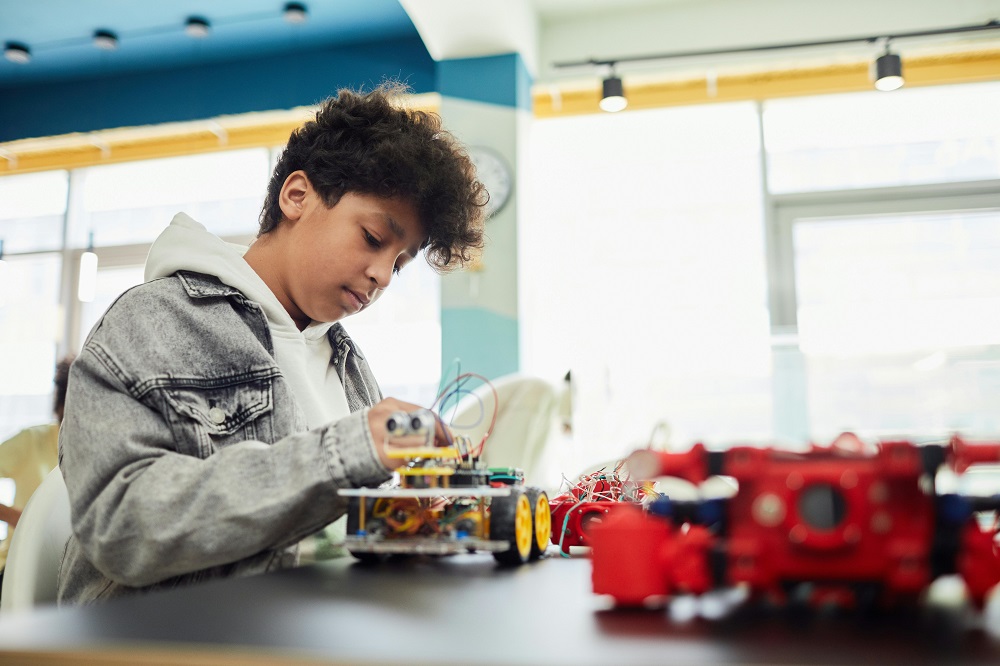
How classroom experiences are being reshaped through projects, inquiry, and authentic learning
As the classroom grows beyond the boundaries of textbooks and blackboards, so too does the role of the teacher, and the very meaning of learning. Project-Based Learning (PBL), once considered a niche innovation, is increasingly being embraced by educators across schools in India. But what happens when PBL moves from theory to practice?
To answer this, we turned to the people at the heart of the learning experience: teachers.
In conversations with educators from diverse school contexts, one theme was clear: PBL is not just a teaching strategy; it’s a transformation in how students learn, engage, and grow.
From Worksheets to Real-World Work: How PBL Differs from Traditional Homework
One of the clearest contrasts teachers observed was how PBL moves learning from repetition to relevance. Traditional homework often reinforces information through rote exercises. PBL, by contrast, asks students to apply their knowledge to solve problems, create products, or investigate issues that matter to them.
One teacher shared how using PBL to raise student awareness about water pollution was a hit in the class. Instead of just assigning problems, the students were made to create awareness posters, conduct surveys in their neighbourhood, and suggest solutions through group presentations. The teacher also noted how the students took the lead, and had an ownership over this project that they usually don’t showcase.
The shift from repetition to application fosters deeper engagement. Several teachers noted that students who previously struggled to stay motivated with homework showed renewed interest when asked to take on real-world challenges.
Changing Roles: Teachers as Facilitators, Not Just Instructors
Project-Based Learning also changes the role of the teacher, who went from being the sole source of knowledge to a guide who supports inquiry and exploration.
One common change teachers noticed was on how they had to let go of control in the classroom. Naturally, the students now had to work on projects on their own, and could only come to the teacher for guidance and help. The teachers noted that they helped their students ask the right questions, find credible sources, and evaluate their work, instead of completely placing the burden of learning on the teacher themselves.
This change isn’t always easy. It requires a shift in mindset and in many cases, rethinking how time is used in class. But most teachers agree: the shift is worth it. PBL has encouraged interdisciplinary approaches, made space for collaborative learning, and created more meaningful student-teacher interactions.
Unlocking Student Potential: What PBL Offers Beyond Academics
Academic performance remains important, but a lot of teachers repeatedly pointed out that PBL nurtures a broader set of skills, like critical thinking, collaboration, communication, and creativity. One teacher particularly noted on how their quietest students became ‘leaders’, and became outspoken when it came to presenting their ideas and projects. While not directly, PBL helped these students find their voices, and find confidence in their effort and abilities.
Students learn to manage time, negotiate roles, and solve problems, skills that aren’t always reflected in exam scores but are vital for life beyond school. For many teachers, the most rewarding aspect of PBL was watching students take initiative, work through failure, and reflect on their learning.
Widening the Circle: Strategies for Scaling PBL in More Classrooms
While the benefits are clear, teachers acknowledged that implementing PBL at a large scale comes with challenges, like limited time, rigid curriculum structures, and unfamiliarity among teachers.
They offered a few practical suggestions for schools and educators considering wider adoption:
- Start Small and Build Confidence: Starting with short projects aligned to the unit you are already teaching introduces PBL in an easy manner. This way, teachers do not have to worry about overhauling their curriculum, or for making huge changes to their current teaching methods.
- Encourage Collaboration Among Teachers: Joint planning across subjects makes projects richer and more integrated. This also promotes interdisciplinary skills among students, and allows them to craft solutions using different subjects and skillsets.
- Make Time for Reflection: Embedding opportunities for students to present, critique, and reflect helps solidify learning. By reflecting on their projects and mistakes, they can understand how they can improve their approach to PBL.
- Support Professional Development: Teachers emphasized the need for ongoing training, not just one-off workshops but long-term spaces for peer sharing and mentorship. This continuous development would cement and solidify the methods and outcomes that will maximise using PBL for student benefits
Looking Ahead: Redefining Success in Education
PBL challenges traditional ideas of what learning looks like. It pushes students to move beyond memorization, and it challenges teachers to rethink their methods. But more than anything, it opens up the classroom to ideas, to communities, and to possibilities. No longer are students just preparing for exams, but also for the complex world outside school.
As educators continue to navigate the changing landscape of education, the insights from teachers point us toward a hopeful future, where learning is meaningful, relevant, and rooted in real-world experience.
This article is authored by Mrs. Padmashini M Patro, Principal, Air Force School Bamrauli


Why Indian schools are struggling to articulate who they are…

United Learning League Raises ₹100 Crore to Build India’s Next IB School Network

From Marks to Meaning: Why Schools Need Holistic Education?

A school in Nallasopara just built an entire AI innovation ecosystem

Dr Arunabh Singh Named ARISE President-Elect at Varanasi Meet

The Exceptional Indian

Daring to Dream: Six Years in the Heart of Rural Rajasthan

Tapas Project Shaala 2026 to Spark National Dialogue on Autonomy, Curiosity and Community in Education

Judicial Guardrails: How the J&K High Court’s Fee Regulation Verdict Redraws the Rules for Private Schools

Supreme Court’s Landmark Judgment for Schools: Menstrual Health is a Fundamental Right

Beyond the First Bell: 5 Key Takeaways for School Leaders from Economic Survey 2025–26

Inclusive Education Summit 2026: Designing the Future of “Learner-Centric” Education

Building a Healthier India: Why School Health Programs Are Essential

Before the Nobel, There Was a Teacher

What the Indian Army Teaches Our Children Beyond Textbooks

Umeed: A Ray of Hope for Better Tomorrow

AI to Become a Core Subject from Class 3: India’s Big Leap Toward a Future-Ready Generation

Dharav Utsav to Celebrate Rajasthan’s Cultural Heritage and Local Talent

How to Build Better Parent-Teacher Communication

Beyond the Syllabus: School Teachers’ Insights on Project-Based Learning

Over 1 Lakh Single-Teacher Schools Educate 33 Lakh Students Across India: MoE Data

Over 3 Lakh Schools Join Hands for India’s Largest-Ever Innovation Challenge: Viksit Bharat Buildathon 2025

17-year-old Innovator Designs Learning Tools for the Visually Impaired

Empowering Young People to Champion Neuro-Inclusion

Ministry of Education Urges Schools to Adopt UPI for Digital Fee Payments, Promoting Ease of Schooling
A school in Nallasopara just built an entire AI innovation ecosystem
United Learning League Raises ₹100 Crore to Build India’s Next IB School Network
Building a Healthier India: Why School Health Programs Are Essential
Before the Nobel, There Was a Teacher
Dr Arunabh Singh Named ARISE President-Elect at Varanasi Meet
What the Indian Army Teaches Our Children Beyond Textbooks
Inclusive Education Summit 2026: Designing the Future of “Learner-Centric” Education
Beyond the First Bell: 5 Key Takeaways for School Leaders from Economic Survey 2025–26
Supreme Court’s Landmark Judgment for Schools: Menstrual Health is a Fundamental Right
Daring to Dream: Six Years in the Heart of Rural Rajasthan
Tapas Project Shaala 2026 to Spark National Dialogue on Autonomy, Curiosity and Community in Education
Judicial Guardrails: How the J&K High Court’s Fee Regulation Verdict Redraws the Rules for Private Schools
The Exceptional Indian
Why Indian schools are struggling to articulate who they are…
From Marks to Meaning: Why Schools Need Holistic Education?
SGEF2023 | Special Address by Rama Datt, Trustee, Maharaja Sawai Man Singh II Trust, Jaipur

ScooNews | After Movie | ScooNews Global Educators Fest 2023

Aftermovie | NIES2 UP Chapter | 21 Jan 2023

WEBINAR | Gamification in Education: How Digital Badges Can Boost Student Motivation and Engagement

ScooNews | WEBINAR| Importance of Physical Activity for Children at School | Plaeto

SCOONEWS | WEBINAR | WHY DIGITIZING YOUR SCHOOL IS A MUST | TEACHMINT

Keynote Address | Lakshyaraj Singh Mewar

Anurag Tripathi, Secretary, CBSE at SGEF2022

How schools can nurture every student’s genius

Aftermovie | SGEF2022 | Jaipur

Li Andersson | Minister of Education | Finland

Anurag Tripathi, Secretary, Central Board of Secondary Education (CBSE) discusses NEP2020

ScooNews | Early Ed Asia 2019 | Aftermovie
#PodarECEconf : Pursuing quality ECE
#CBSE Class XII #Results #Highlights
The interesting story of India’s educational system | Adhitya Iyer

A young scientist’s quest for clean water

The Danger of Silence: Clint Smith
National Digital Library of India is an initiative by HRD Ministry

Remembering Kalpana Chawla on her birthday!

Message from Sadhguru for Students!
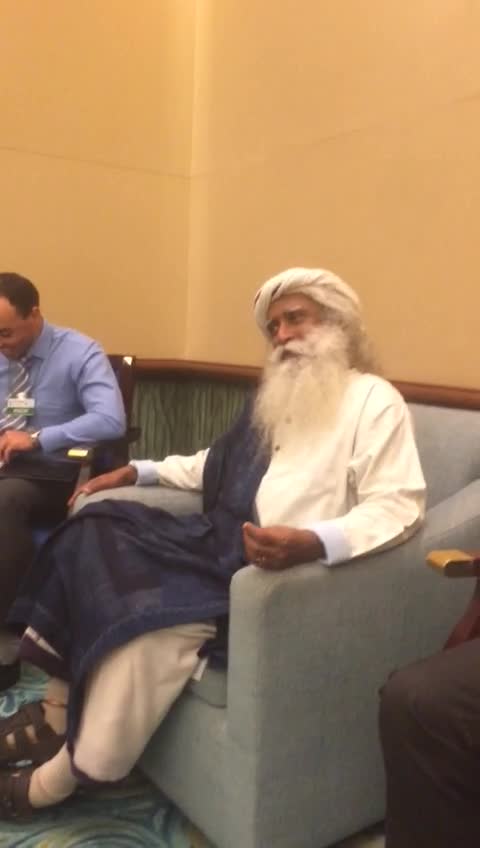
Message from Sadhguru for Students!

The Untapped Genius That Could Change Science for the Better

Eddy Zhong: How school makes kids less intelligent TEDxYouth@Beacon

#TEDxCanberra : What if every child had access to music education…
-
 Education2 weeks ago
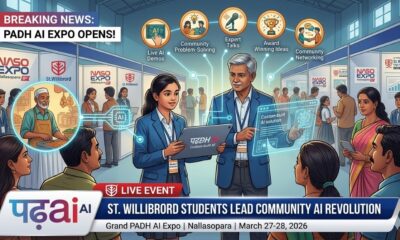
A school in Nallasopara just built an entire AI innovation ecosystem
-
 News1 week ago
United Learning League Raises ₹100 Crore to Build India’s Next IB School Network
-
 Knowledge3 months ago
Building a Healthier India: Why School Health Programs Are Essential
-
 Inspiration3 months ago
Before the Nobel, There Was a Teacher
-
 News3 weeks ago
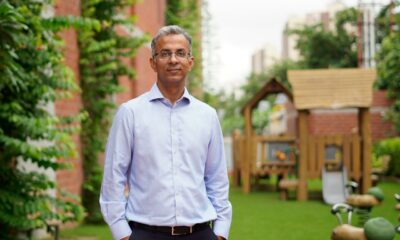
Dr Arunabh Singh Named ARISE President-Elect at Varanasi Meet
-
 Education3 months ago
What the Indian Army Teaches Our Children Beyond Textbooks
-
 News3 months ago
Inclusive Education Summit 2026: Designing the Future of “Learner-Centric” Education
-
 Education2 months ago
Beyond the First Bell: 5 Key Takeaways for School Leaders from Economic Survey 2025–26
-
 Education2 months ago
Supreme Court’s Landmark Judgment for Schools: Menstrual Health is a Fundamental Right
-
 Education2 months ago
Daring to Dream: Six Years in the Heart of Rural Rajasthan