
Knowledge
Scientists of the future: THiS Budding Scientist Contest
With Dr Kalam as their idol, there are several more in our nation that are more or less unrecognised. Here are some that won have contests, ready to surge forward!

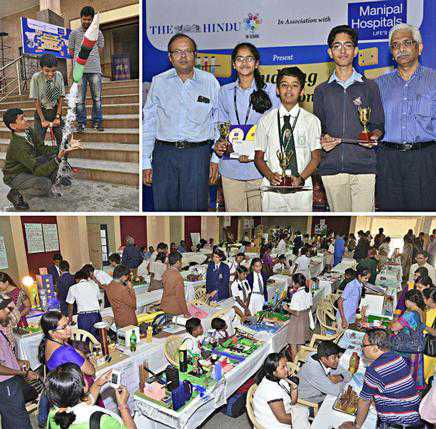
The Hindu in School, an initiative by the leading national daily, recently organised Budding Scientist Contest, presented by Manipal Hospitals, at St Joseph’s Indian High School, Bengaluru, with the idea to encourage young scientists to understand the concepts of science and research.
Having understood science, the students were to get in line with the vision that Dr APJ Abdul Kalam had for a developed India and present a science project on the same.
Among the junior students (classes 5 to 7) presenting their projects, Suyash Gupta from class 6, DPS (Bengaluru East) topped the content with Reading Aid for Disabled project that he developed with a kit, light sensor, a motor, a battery, an e-reader, and a sound sensor, which would help specially abled people read without assistance. With the smart project that he had built, the child was beamed with confidence as he told The Hindu, “I was confident of winning as I had come up with a novel idea.”
Following him close were Sanjana Garai and Sujitha N, students of The Oxford Senior Secondary School, JP Nagar, who had developed Robo Farming 2020.
Among the seniors, students from classes 8 to 10, it were Harshitha V, class 9, and Dhruv B, class 10, from Presidency School who took the crown for Suraksha, a project that would keep homes, agricultural fields, etc, secure, something that the developers said can be used by the armed forces too. Harshitha told The Hindu, “Innovations like ours bring in positive changes in efficiency, productivity and quality.”
Team of Akhil P and Lakshmi Chandana S from Jubilee School were the runner-ups for their project Cotton Bandage.

Judges Deepak Saini, Mayank Srivastava, Prerna Sharma, Balaji Jayaprakash, faculty members of IISc, found it hard to the rank winners as many top schools of the city had participated with around 120 projects to be adjudged. The awards were distributed by Jayant Modak, deputy director at IISc, and Harinarayan Sharma, chief officer of strategy and business development at Manipal Hospitals.
Story and Image credits: The Hindu
Education
Tapas Project Shaala 2026 to Spark National Dialogue on Autonomy, Curiosity and Community in Education
At ScooNews, we are proud to partner with Tapas Education for an event that prioritizes authentic narratives over abstract theory. Whether you are a school leader navigating institutional change or a parent nurturing curiosity at home, TPS 2026 offers a rare, reflective space to bridge the gap between educational philosophy and real-world practice.
India | February 2026
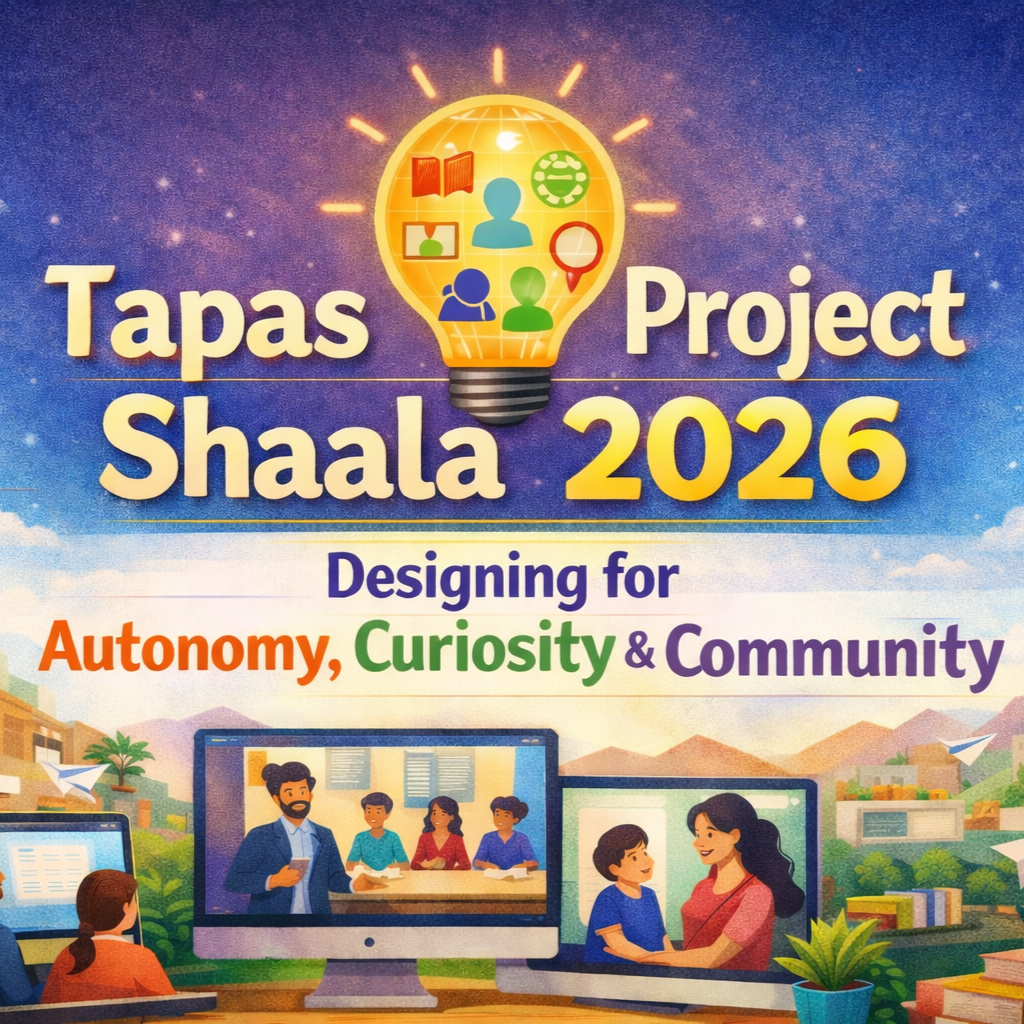
Tapas Education has announced the launch of Tapas Project Shaala 2026 (TPS 2026), a four-day virtual education conference built around the theme Designing for Autonomy, Curiosity & Community. Scheduled from 19 to 22 February 2026, the conference will bring together educators, parents, home educators, learning designers, school leaders, researchers, and community voices from across India and internationally.
Designed as a reflective and practice-driven platform, TPS 2026 aims to spark meaningful dialogue on how learning is designed, experienced, and sustained in a rapidly evolving educational landscape.
Each day of the conference will feature carefully curated keynote sessions, panel discussions, and conversations led by distinguished educators, researchers, and global contributors. The programme will explore themes including learner autonomy, curiosity-driven learning environments, community-connected education, early years foundations, leadership, and the future of schooling.
Unlike traditional conferences that focus heavily on theory, TPS 2026 places strong emphasis on lived experiences and real-world challenges. Sessions will spotlight authentic narratives, dilemmas, trade-offs, failures, and decisions shaping classrooms and institutions today.
The conference is intentionally designed for multiple stakeholders.
Educator-focused sessions will address pedagogy, leadership, assessment, and learning design. Parent-centric conversations will offer practical perspectives on nurturing independence, resilience, and emotional security at home. Additionally, architects, designers, and learning space innovators will gain insights into how educational philosophy and leadership choices influence physical, digital, and shared learning environments.
TPS 2026 will be hosted entirely online, enabling wide participation without geographical constraints.
Tapas Education has partnered with ScooNews as an event partner to support visibility and outreach for the conference.
Event Details
Event: Tapas Project Shaala 2026
Theme: Designing for Autonomy, Curiosity & Community
Dates: 19 to 22 February 2026
Mode: Virtual
Website: www.tapaseducation.com
Registration: https://forms.gle/
Knowledge
Building a Healthier India: Why School Health Programs Are Essential
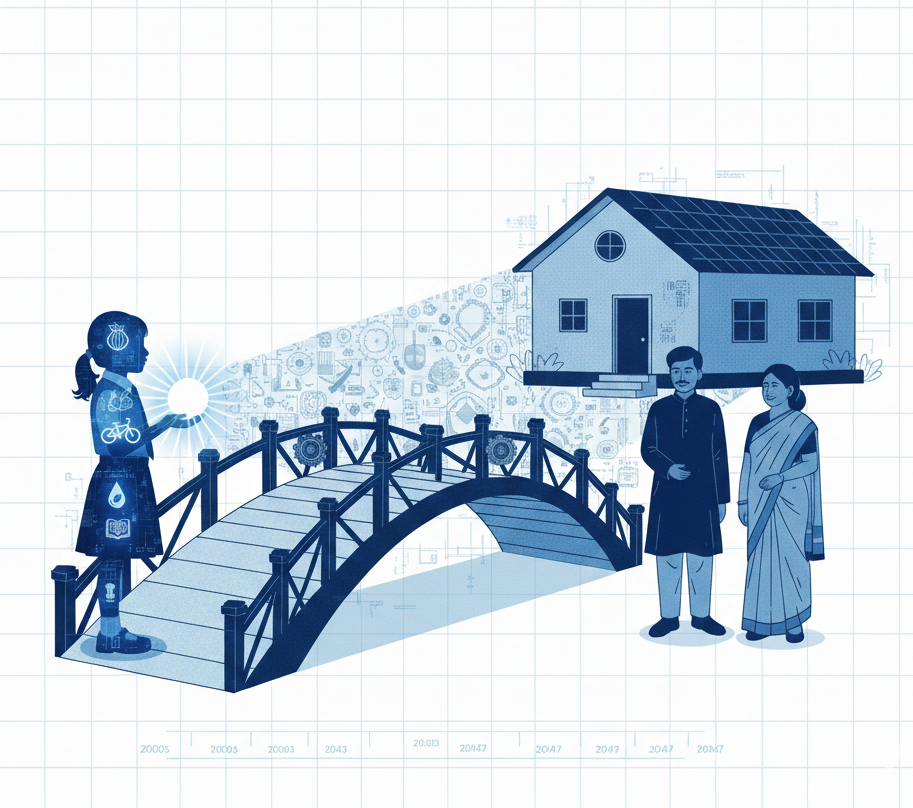
A developed India by 2047 requires more than economic growth; it requires human capability. Currently, the “last mile” of India’s healthcare system is missing—and it’s located in our schools. While the National Education Policy (NEP 2020) mandates health programs, the reality is a complete absence of trained health educators. By transforming schools into hubs of practical health skills, we do more than teach vitamins—we create a “child-to-parent bridge” that carries wellness back into the home, breaking intergenerational cycles of malnutrition and sedentary lifestyles for good.
India’s ambition to become Viksit Bharat by 2047 sounds inspiring in political speeches. But here’s the uncomfortable reality: we can’t build a developed nation on the backs of an unhealthy population. And right now, we’re not doing well on that front.
Our average life expectancy has climbed to about 70 years—a genuine achievement. But dig deeper and you’ll find a troubling statistic: our healthy life expectancy is only 58 years. That means the average Indian spends their final 12 years managing poor health or living with disability. We’ve gotten better at keeping people alive longer, thanks to medical interventions. But we haven’t figured out how to keep them healthy. There’s a crucial difference.
The conventional approach to fixing this would be to focus on treating adults—better hospitals, more clinics, improved chronic disease management. But research tells us this is backwards. By the time someone is an adult struggling with diabetes or heart disease, you’re fighting an uphill battle.
Why Childhood Matters More Than We Think
Here’s what the science shows: health behaviors established in childhood act as a blueprint for adult life. The habits formed during our first two decades are significantly more resistant to change than those we pick up later. Think about it—how many adults do you know who’ve successfully transformed their relationship with food or exercise after decades of poor habits? It’s possible, but rare. The window of opportunity is childhood, and there are only two environments that really matter: home and school.
The Home Environment: When Parents Can’t Model What They Don’t Have
Children are mimics. They absorb far more from what they observe than from what we tell them. A parent who goes for morning runs or plays weekend cricket teaches their child that movement is normal and enjoyable. A sedentary parent who spends evenings on their phone? They’re teaching too, just a different lesson.
The same pattern holds for nutrition. Research from the World Health Organization shows that parental practices—what goes in the shopping cart, what sits on the dinner table—are among the strongest predictors of a child’s nutritional status. Children of parents who eat fruits and vegetables tend to follow suit. Those whose parents reach for processed foods and sugary drinks learn to do the same.
But here’s where things get difficult.
Data from the National Family Health Survey reveals that only about 28 percent of Indian adults eat what’s considered a balanced diet—all five major food groups daily. Fewer than half meet the global guideline of 150 minutes of moderate physical activity per week. Many parents actively discourage their children from playing sports or being physically active, pushing them toward extra study time instead. And approximately 40 percent of Indian men use tobacco in some form.
This isn’t about blaming parents. Most are doing their best with the knowledge and resources they have. But the data is clear: many Indian parents can’t model healthy behaviors because they haven’t developed them themselves.
Which brings us to schools.
Schools as the Missing Link
If we can’t rely solely on homes to teach healthy habits, schools become critical. The National Education Policy (NEP 2020) has recognized this by making school health programs mandatory and prioritizing holistic student development. Good policy on paper—but implementation is everything.
For a school health program to work in India, it needs to be skills-based, not just theoretical. Don’t just teach what vitamins are. Teach how to choose a healthy snack at the canteen. Don’t lecture about hygiene. Make sure the school has clean toilets and safe drinking water. Practice what you preach.
The benefits of getting this right extend far beyond the individual student.
First, obviously, students learn skills to improve their own health immediately. Second—and this is where it gets interesting—when these students eventually become parents, they’ll be far better equipped to raise healthy children themselves. Studies show that a mother’s education is more effective at preventing child stunting than household wealth alone. Educated mothers are 25 percent more likely to have non-stunted children because they understand exclusive breastfeeding, timely complementary feeding, immunization schedules. School health programs can break the intergenerational cycle of malnutrition.
Third, there’s what researchers call the “child-to-parent bridge.” Children can be remarkably effective change agents in households. A child who learns about nutrition in school will often come home and demand healthier foods, influencing what parents buy. When homework involves cooking a healthy meal with a parent, both learn. Schools should also run health seminars for parents—even if attendance is spotty, some education is better than none. Online options can help too.
The Infrastructure Gap: We Don’t Have Health Teachers
Here’s a problem: India currently has no trained health education teachers. Not a shortage—an absence. To make school health programs work, we need to establish training programs and certification systems. Most developed countries have had these for decades. We’re starting from scratch.
These school health educators would work alongside existing programs—the Anganwadis and ASHA workers who are already embedded in communities. But they’d fill different gaps. Anganwadis focus on early childhood, primarily birth to three years. They provide crucial health counseling and developmental tracking. ASHA workers are the frontline health activists facilitating vaccines, medications, and hospital visits. Both do important work, but they’re community-based and focused on medical tasks.
School health educators would operate in a structured learning environment. Once a child enters primary school, the intensive Anganwadi tracking often drops off. School educators can pick up that thread and extend it through age 18. And here’s the key difference: parents might follow ASHA workers’ instructions about medical “to-dos,” but they don’t necessarily internalize the science behind healthy habits. When health is taught as a formal subject in school, it carries intellectual weight. It bridges the gap between “knowing what to do” and “understanding why it matters.” Think of it this way: in parents’ minds, the Anganwadi is “the helper for my baby,” the ASHA worker is “the person for medicine,” and the school health educator could become “the teacher for my child’s future.”
Getting This Right Matters
The model that makes sense for India is integrated: Anganwadis continue handling ages zero to three, schools provide mandatory health literacy from six to eighteen, with periodic parent education built in. Each piece complements the others. This isn’t a small undertaking. It requires investment in teacher training, curriculum development, and ongoing program support. But consider the alternative: continuing to spend the final years of our lives managing preventable chronic diseases, watching productivity and quality of life decline, falling short of our potential as a nation.
School health programs represent what you might call the “last mile” of health education. We’ve built the healthcare infrastructure. We’ve created community health worker programs. But without embedding health literacy into the formal education system, we’re leaving a critical gap unfilled.
Viksit Bharat by 2047 isn’t just about economic growth or infrastructure development. It’s about human capability and wellbeing. And that foundation gets built in childhood, one healthy habit at a time.
About the Author:
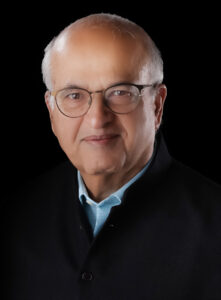
Dr. Rahul Mehra is the National Representative of India for the UNESCO Chair for Global Health & Education and serves as the Executive Chairman of Tarang Health Alliance. He is a prominent advocate for health education, emphasizing the need for comprehensive health education in schools to address mental health, emotional well-being, and social skills.
Education
What the Indian Army Teaches Our Children Beyond Textbooks
By viewing the Indian Army as a living classroom, I see that true leadership stems from selfless service and integrity, not authority. To me, discipline is freedom—the capacity to make ethical choices and remain resilient under pressure. By fostering teamwork and active patriotism through simple, honest deeds, I believe education can transcend academics. My goal is to develop compassionate, self-confident citizens who view challenges as growth and contribute meaningfully to our nation.
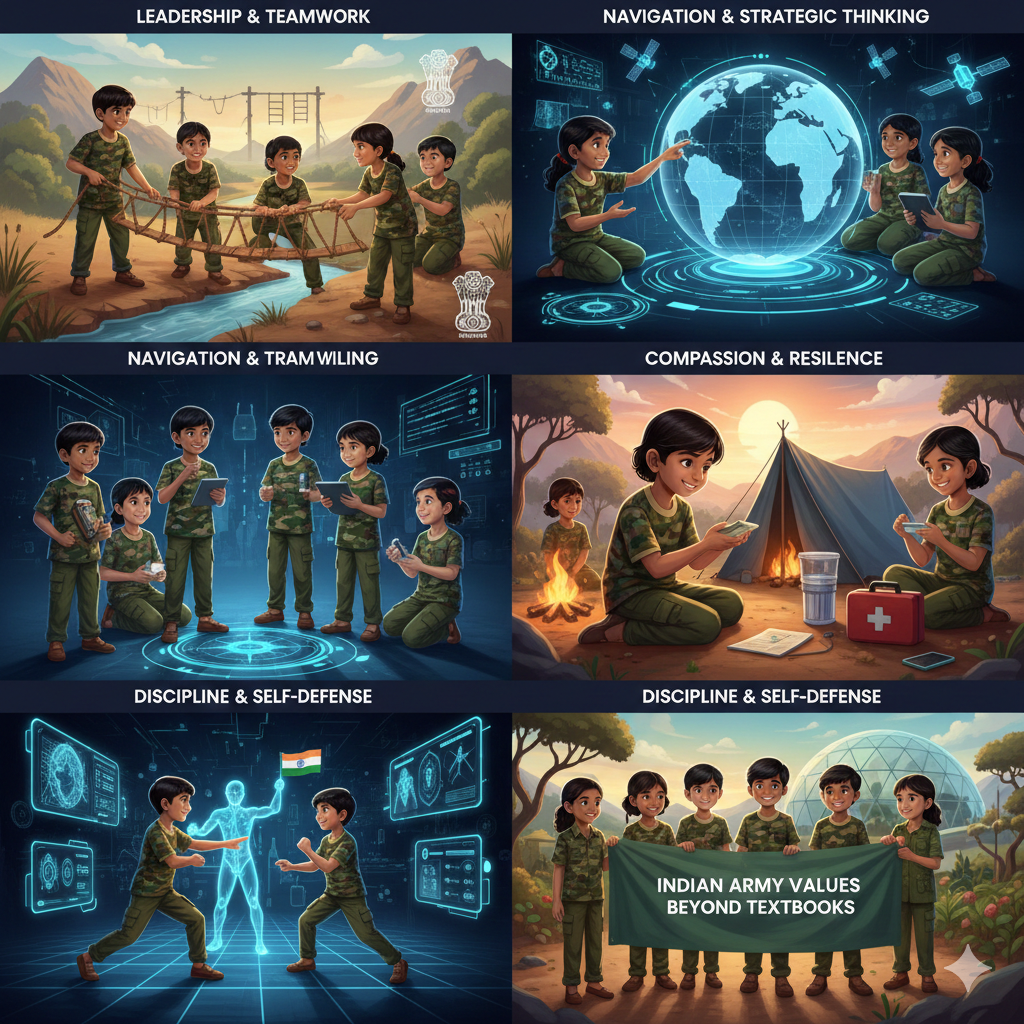
Real-world values will shape the way students see the world around them and what they value most; such as, the Indian Army serves as a living classroom, teaching students leadership, courage, and selflessness through action. Through the actions of each soldier, a student learns that the most important form of leadership comes from being committed to a purpose that is larger than themselves; that leadership is not defined by one’s authority, but rather by the way each individual serves others, holds to their integrity and is steadfast during the most difficult of times.
Discipline is one of the Army’s greatest lessons, but it is also frequently misinterpreted as control. In reality, discipline is a means to provide freedom: freedom to make ethical decisions, act responsibly, and focus when stressed. This lesson of discipline is an essential lesson for children and will help children achieve their true potential through the routines built to help them grow to become trustworthy individuals.
As soldiers, children acquire many skills and knowledge that help them cope with difficult situations and disappointments. They learn how to work together, trust and support each other And recover from their mistakes. All these lessons work together to help a student learn that disappointment is only a step/stage in life; not the finish line. Whether it be in the classroom or on the playground: teaching children emotional strength, working as part of a team and persevering will prepare children not only for the next exam but for life itself.
Patriotism is an action rather than a word. The example of the Indian Army teaches children that love of nation is shown by simple deeds such as being honest, respectful, disciplined and responsible towards one’s community. Schools can make patriotism a part of daily experience instead of just talking about it.
Education needs to model itself after the Indian Army, if it wants to develop citizens who contribute meaningfully to society, and not just create scholarly students. Schools should develop students into people who are self-confident, compassionate, disciplined, generous, strong in values, and are future leaders that support the growth of their country through their successes.
“Discipline and united action are the real source of strength for a nation.” — Field Marshal Sam Manekshaw
About the Author:
Ms. Sonal Sharma is the Principal, Birla Open Minds International School, Yavatmal . She is passionate about empowering both educators and learners by creating engaging, impactful, and innovative training experiences.

Good communication between parents and teachers plays an important role in a child’s learning and confidence. When both stay connected, it helps students feel encouraged and understood. Still, it’s not always easy to keep that connection strong. Busy schedules and small misunderstandings can make things tricky. The good news is that a few simple habits can make a real difference. Let’s examine what parent-teacher communication truly entails and how both parties can collaborate more effectively.
What is Teacher and Parent Communication?
Teacher and parent communication is all about staying connected and working together for a child’s growth. It’s not just a one-time meeting or message but a continuous, two-way exchange of updates, ideas, and feedback. When teachers and families stay in touch regularly, it creates a strong support system that helps students do better both in and outside the classroom.
In simple terms, teachers share what’s happening at school, like:
- Homework and assignments
- Grades and test results
- Class activities and behavior updates
- Social and emotional progress
- Strengths and areas where a student might need extra help
At the same time, parents share what’s happening at home, such as:
- How the child feels about schoolwork
- Any challenges or changes they’ve noticed
- Questions or suggestions about learning support
When both sides keep the communication open, it builds trust and teamwork. Teachers understand students better, and parents feel more involved in their child’s education.
Tips for Smooth Parent-Teacher Communication
Talking to parents doesn’t have to feel formal or uncomfortable. In fact, the better your connection with them, the smoother your teaching journey becomes. Whether you’re reaching out for the first time or trying to keep the conversation going, here are some real-world ways to build trust and keep communication easy, clear, and helpful.
1. Begin with a Friendly Introduction
Right at the beginning of the academic year, take a moment to introduce yourself to parents. You can send a friendly email, a printed note, or even a short video message. Let them know who you are, what you’re excited about, and how they can reach you. This early step breaks the ice and helps parents feel welcome and included in their child’s learning journey. When you set a positive tone early, it makes future communication easier and more comfortable for everyone.
2. Communicate Often, Not Just When There’s a Problem
Don’t let communication only happen during parent-teacher conferences or when something goes wrong. Send regular updates about what’s happening in class, upcoming events, or even small successes their child has had during the week. These don’t need to be long messages. A quick note about a student’s progress or behavior can make a parent’s day and help build trust over time. It also shows that you’re not just reaching out when there’s a problem.
3. Invite Their Voice, Too
Sometimes we forget that parents know their child better than anyone else. Ask questions. How does their child learn best at home? Are there any routines or challenges you should know about? And when they speak, listen fully. These conversations often reveal things that can shape how you teach and connect with the student.
4. Be Available and Approachable
Parents need to know that they can come to you when something is on their mind. That doesn’t mean being available 24/7, but it does mean creating space for honest conversations. You can let them know about your preferred times for calls or meetings, and also offer virtual options if in-person isn’t possible. Make sure the tone of your communication is always warm and non-judgmental so they feel safe speaking up.
5. Treat Parents as Team Members, Not Outsiders
Instead of just delivering information, try to involve parents as partners in their child’s learning. Share ideas for how they can help at home, ask for their observations, and thank them for their efforts. If there’s a behaviour issue or academic challenge, work with them on solutions instead of just reporting the problem. A strong home-school partnership creates a consistent support system for the student, both inside and outside the classroom.
6. Show Cultural Awareness and Respect
Families come from many different backgrounds, and their expectations may vary. Take the time to learn about their culture, language preferences, and family structure. Avoid making assumptions or using language that might feel exclusive. If needed, provide translations or simplify your communication to make sure everyone understands. This small effort shows parents that you value who they are and where they come from.
7. Share Progress in a Way That’s Clear and Supportive
Progress updates should be balanced. Yes, it’s important to point out what’s not working, but don’t forget to highlight what is. Give specific examples instead of vague praise or criticism. Say things like, “I’ve noticed Priya really lights up during science experiments,” or “Rohan is still working on staying focused during group tasks.” This kind of feedback feels personal and helps parents understand the full picture.
8. Choose the Right Tools for the Right Message
Too many apps or tools can overwhelm parents quickly. Choose one or two that you’ll stick to, whether it’s a school app, WhatsApp group, or weekly email. Use them for quick updates, reminders, or sharing student wins. Keep your tone casual but clear. Tech is helpful only when it makes life easier for both sides.
9. Respect Their Time and Yours
Teachers and parents are both juggling busy schedules. Respecting each other’s time helps keep communication productive and stress-free. If you’re scheduling meetings, offer time slots that work for working parents, too. Keep conversations focused so that meetings don’t run longer than necessary. Also, set clear boundaries about when you’re available.
When Is Parent-Teacher Communication Most Important?
Parent-teacher communication matters most right at the start of preschool. That first day of preschool is a big moment for every child and their family. When teachers and parents talk openly from day one, it helps everyone feel more comfortable and sets up a strong partnership for the rest of the year.
Why It Matters on Day One
- The first day of preschool often brings a mix of excitement and nervousness for both kids and parents. Honest communication helps everyone feel a little more comfortable.
- Open communication lets teachers learn about each child’s background, interests, and any worries or comforts. This way, teachers can give more personalized care and support from the beginning.
- Early conversations help build a sense of trust between home and school, making the classroom feel like a safe and welcoming place for the child.
- When teachers share classroom routines and expectations with parents on the first day, it helps families get ready and feel involved in their child’s new experience.
- These early talks also give teachers helpful details, like which languages are spoken at home, special family traditions, or any recent changes in the child’s life. This helps teachers communicate better and offer the right kind of support.
By making communication a priority from the very first day, both teachers and parents can work together to help each child settle in smoothly and feel confident as they start their schooling journey. Building strong parent-teacher teamwork not only supports a child’s emotional well-being but also lays the foundation for long-term academic success.
Closing Thoughts
We hope these tips help make your conversations with parents smoother and more meaningful. Building that connection takes time, but small efforts can lead to strong partnerships.
This article is authored by-
Chitra Khanna,
Content Strategist,
KLAY Preschools & Daycare
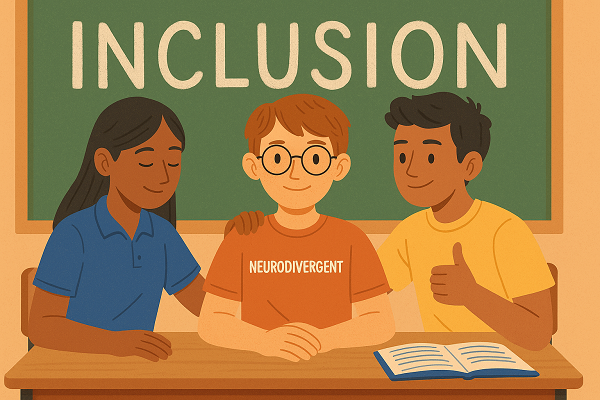
Aamir Khan’s recent film Sitaare Zameen Par has brought neurodiversity into the mainstream, and sparked important conversations about inclusion and rethinking what we consider ‘normal’. These cultural moments help raise awareness, but they also remind us that there is still a long way to go in making inclusion a lived reality.
It is estimated that 1 in 8 children in India have a neurodevelopmental condition such as ADHD, autism, learning disabilities and intellectual disability. Many of these children often face social isolation, bullying and exclusion – often the earliest of these experiences begin during school.
At the same time, today’s young people indeed carry with them a deep sense of social justice and openness to diversity. The energy, empathy and bold creativity of young people can be harnessed – if nurtured in the right way, at the right time – to make them equal partners in cultivating inclusive cultures in schools and communities.
We need young allies – people who are not only informed, but who engage meaningfully with neurodivergent peers, actively support the cause, and drive inclusivity. The key lies in equipping them with the knowledge, skills, and ultimately the mindset needed for inclusion. Schools must invest in nurturing young allies who can champion neurodiversity and take ownership of inclusion in spaces they belong to.
Our experience and work on youth allyship has shaped our understanding of what it takes to make this happen. Here are some of our most important insights:
- From awareness to active allyship: We need to move beyond awareness about neurodiversity, by equipping students with the knowledge, skills, confidence, and opportunities to take meaningful action as allies for neuro-inclusion.
- A personalised journey: Allyship is a lifelong journey which is most authentic when it grows organically from curiosity, dialogue, self-initiative and experiences. It cannot be imposed, and must be led by the individual.
- Student autonomy: When students have the autonomy to choose how they contribute, their commitment deepens. We should give students a mix of structure and freedom to help – guidance to shape their efforts, alongside the space to decide how they want to step up for meaningful change.
So how can schools nurture students as young allies?
- Create safe, relatable spaces led by students, for students Peer-led conversations give students space to reflect on diversity, challenge stereotypes, and share personal experiences. When peers lead, the power dynamics shift – students listen more openly, express without fear of judgment, and begin to see inclusion as something that belongs to them, not just a directive from authority figures. Our Inclusive Duniya Circles are one example of such spaces. Students are primed and empowered to sensitively facilitate conversations about disability, neurodiversity and inclusion.
- Explore connections to students’ interests and strengths
Students should be given the opportunity to discover how they feel about the cause and how they want to contribute. At the end of each Circle, we often ask, “How do you want to step up for an Inclusive Duniya?” The answers vary, but what matters most is that the initiative comes from the students themselves. Our role as adults and educators is to support them in making it happen.
Some take the route of advocacy – sparking conversations and campaigning for the cause with schoolmates. Others channel creativity through music, art, or theatre that challenges stereotypes.
For instance, the song Inclusive Duniya (available on Spotify), was written, composed and produced by students on their own from carefully crafting lyrics which invited listeners to imagine a world where everyone feels like they belong to picking melodies that convey warmth. Students used their creative talents to make a gentle but compelling call to action for allyship. Helping students tap into their personal strengths and interests enables authentic engagement and contribution to the cause.
- Embed into academic and co-curricular pathways
Linking students’ inclusion initiatives and projects to existing academic opportunities, such as CAS projects in the IB curriculum, allows them to merge personal passion with academic commitment. Framing these initiatives as co-curricular activities also strengthens students’ profiles for college applications. This dual recognition provides a formal recognition to their efforts and ensures students’ efforts are sustained – adding motivation, depth and commitment to their efforts.
The voices of young people not only impact their peers, but also have a ripple effect in shaping how families talk about disabilities, and, in due course, how communities and workplaces open themselves up to inclusion.
With the right support, our young generation can become a driving force for an inclusive world. Schools, as microcosms of society, provide the most conducive space for young people to explore sensitive concepts, question biases, and practice inclusion in meaningful ways. By nurturing young allies who truly value and celebrate diverse ways of thinking and being, we can lay the foundation for a more Inclusive Duniya.
This article is co-authored by:

Pooja Sharma, Founder and CEO, Inclusive Duniya

Srushti Patel, Manager- Schools Programme, Inclusive Duniya
Education
Supreme Court Calls for Early Sex Education in Schools: “Not from Class IX, But from a Younger Age”


In a landmark observation, the Supreme Court of India has emphasised the urgent need to introduce sex education at a younger age, rather than waiting until Class IX as is the current norm. The apex court stated that children should be informed and sensitised about the physical and emotional changes that accompany puberty — and taught the necessary care and caution that come with it.
The observation came from a Bench comprising Justice Sanjay Kumar and Justice Alok Aradhe, which noted that the absence of early sex education leaves children vulnerable to misinformation and misunderstanding during their formative years.
“Sex education should be provided to children from a younger age and not Class IX onwards. It is for the authorities concerned to apply their mind and take corrective measures so that children are informed of the changes that happen after puberty,” the court stated.
The Bench made the remarks while hearing an appeal filed by a 15-year-old boy, who had been denied bail by the Allahabad High Court in a case under Sections 376 and 506 of the Indian Penal Code (IPC) and Section 6 of the Protection of Children from Sexual Offences (POCSO) Act. Recognising that the accused was himself a minor, the Supreme Court had earlier granted him bail in September 2025.
In the same case, the Court had directed the Government of Uttar Pradesh to submit an affidavit explaining how sex education is currently implemented in schools. The state responded that sex education is introduced only in Classes IX to XII, following NCERT guidelines. However, the Bench expressed concern over this delayed introduction and urged policymakers to revisit the framework to ensure children receive age-appropriate education much earlier.
The Court set aside the High Court’s order and made the juvenile’s bail permanent until the completion of the trial. More importantly, its remarks have reignited the national debate on the need for comprehensive sexuality education in India, which many experts argue is crucial to preventing abuse, reducing stigma, and promoting healthy development among adolescents.
Education experts have long maintained that early, factual, and inclusive discussions about puberty, consent, and emotional health must begin before adolescence — ideally in primary school — to prepare children for real-world experiences and relationships. The Supreme Court’s observation is expected to prompt renewed policy discussions on revising the sex education curriculum nationwide.
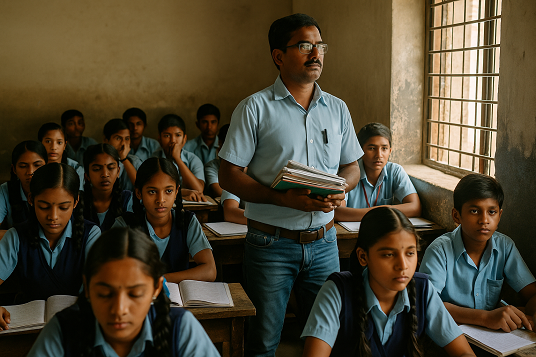
A recent report by India Today has put the spotlight on the deep contradictions in how India treats its teachers. While the profession is revered in public discourse and celebrated in ceremonies, the reality of poor pay, massive vacancies, and crushing workloads threatens the future of quality education in the country.
The report, authored by Megha Chaturvedi, shares the story of a government school teacher in rural Bihar who manages five grades, multiple subjects, administrative duties, and a long commute — all for a monthly pay of just ₹12,000. It is a picture that repeats across India, where respect is high but reward is missing.
Respect vs Pay
According to UDISE+ 2024–25 data, India’s teaching workforce has crossed 1 crore, with women making up 54.2%. Yet, over 1 million teaching posts remain vacant, concentrated in states like Uttar Pradesh (3.2 lakh) and Bihar (2.2 lakh). More than 1 lakh schools still run with just a single teacher, and some rural institutions report zero enrolment.
Teacher salaries are shockingly unequal. Permanent government teachers may earn ₹35,000 to ₹60,000 per month with benefits, but guest or contractual teachers often earn between ₹6,500 and ₹12,500, with delays stretching into months. Even in metro private schools, where parents pay lakhs in annual fees, teachers may take home just 2–10% of that amount.
International comparisons highlight the gap further. India ranks among the top 10 nations for respect towards teachers, yet falls to the bottom when it comes to pay and working conditions.
The Consequences
Low pay and insecure contracts drive talented graduates away from teaching. Those who stay face burnout from handling multiple grades or excessive administrative duties. Morale suffers when salaries are delayed, creating inequality between well-paid urban private school teachers and struggling rural counterparts. The result is a two-tiered system where students’ learning is directly compromised.
Policy Moves
Some states have taken steps. Karnataka recently raised guest teacher pay to ₹12,000–₹12,500, though teachers demand at least ₹30,000. Bihar and West Bengal have launched recruitment drives to fill thousands of vacancies. But reforms remain piecemeal. The India Today report makes it clear that modest hikes are not enough to match workload or cost of living, and insecurity continues to define contractual positions.
What Needs to Change
India may call its teachers “gurus” but without dignified salaries, stability, and recognition, the profession risks becoming even less attractive to young graduates. For education to thrive, teaching must be seen as a rewarding and respected career. ScooNews has been consistently working to spotlight teacher voices and celebrate educators who innovate against the odds. Yet change cannot come from media or policy alone. We need educators themselves to step up and demand better, and institutions to stop treating education as a business rather than a public service.
A practical way forward would include setting a national minimum pay scale of at least ₹30,000 per month for all full-time teachers, clearing the backlog of 1 million vacancies within the next three years, and ensuring strict timelines for salary disbursement. Governments and boards must invest at least 6% of GDP into education as repeatedly recommended, with a clear allocation for teacher training, well-being, and incentives. Schools must commit a fixed percentage of fee revenue directly to teacher salaries, while also offering pathways for career growth through research, leadership roles, and international exposure.
Teaching is perhaps the most undervalued profession in the nation today. If India is to build a future-ready generation, it must invest in its teachers with the same seriousness it reserves for infrastructure or defence. Respect in words is not enough. Teachers must be valued in pay, dignity, and opportunity.
You can read the full report here.
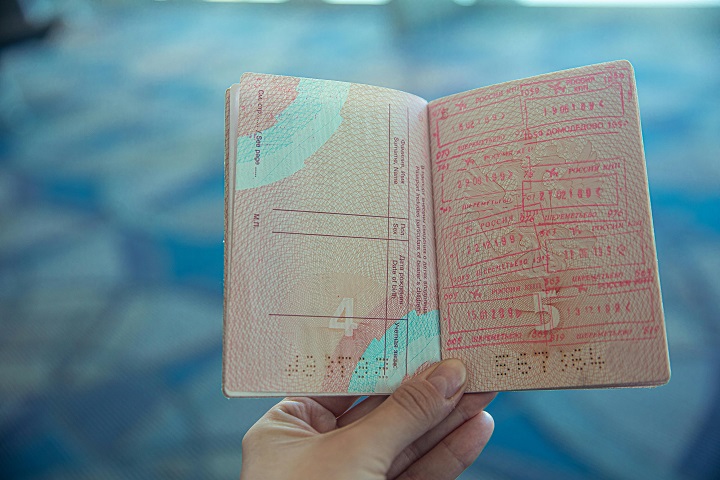
The tightening of student visa policies in the US and UK has created understandable anxiety among Indian families.
In the UK, the Graduate Route visa may be reduced from two years to 18 months for undergraduates and master’s graduates, while doctoral students may keep three years. Most taught master’s students can no longer bring dependents, the country has raised proof of funds by over 11%, moved to digital e-visas and tightened university compliance.
The US has proposed limiting the F-1 visa to a fixed four-year term, requiring extensions for longer programmes such as PhDs. Interview waivers have been eliminated, and third-country applications are no longer permitted. Backlogs at Indian consulates have worsened, and a new $250 Visa Integrity Fee will soon add to costs.
While complex, these changes reflect a global trend: governments are balancing immigration management with continued student flows. For Indian applicants, this means approaching the process with a sharper focus and stronger preparation.
What these changes mean for Indian students
The proposed cut of the Graduate Route visa to 18 months may cause concern, but this timeframe is enough to build career foundations, especially for students who engage early with employers. Restrictions on dependants may deter older applicants, but younger students will still find the UK attractive. The move to digital e-visas actually simplifies the verification process, while higher proof of funds requirements will require earlier financial planning. Additionally, English language changes should not affect Indian applicants, who already meet or exceed the required standards.
In the US, the proposed four-year F-1 limit introduces uncertainty for PhD students; yet, the country still offers unmatched academic choices, world-class research opportunities, and globally valued degrees. The loss of interview waivers, the ban on third-country applications and the new fee add costs and delays, but with early planning and budgeting, these hurdles are manageable. For many families, the academic ecosystem, extensive networks and long-term career benefits of a US education outweigh the administrative challenges.
How admissions counsellors and schools can guide students
Schools and counsellors now have a greater responsibility. Planning must begin early, whether preparing for tests, selecting courses or booking visa appointments, so backlogs and rule changes cause less disruption. Financial planning is equally critical, as higher UK proof of funds and new US fees make it essential to understand costs well in advance. Counsellors should also help students think long term, making strategic academic and career choices while exploring alternatives beyond the US and UK. With preparation and broad awareness, families can navigate uncertainty without losing sight of their goals.
Looking beyond the US and UK
These changes should not deter Indian families from considering the US or UK. Both remain prestigious destinations with world-class academic ecosystems. At the same time, I encourage families to keep alternatives in mind. Canada, Ireland, Australia and parts of Europe offer attractive post-study work options, while Singapore, Japan and the UAE are emerging as strong contenders closer to home.
In fact, at The Red Pen, pre-COVID, we saw families looking at an average of two destinations. This has now moved to 3.2. Keeping options open is a good idea.
Students can also explore new-age Indian universities such as Ashoka, Krea, Plaksha, FLAME and Jindal, which offer programmes on par with international standards. In addition, 12 global universities are opening campuses in India. While Deakin University, Wollongong University and the University of Southampton are already established, new entrants from 2026 include the Illinois Institute of Technology, University of Liverpool, Queen’s University Belfast, Coventry University, University of York, University of Western Australia, University of Aberdeen, Istituto Europeo di Design and Western Sydney University.
While tighter visa rules demand careful planning, expert guidance ensures that international education remains firmly within reach.
This article is authored by-

Namita Mehta- President and Partner, The Red Pen
Namita drives business growth and global partnerships at The Red Pen, representing the firm at international education forums and building key alliances, including a landmark collaboration with U.S. News & World Report. Recognised among BW Education’s 40 Under 40 and The PIE’s 50 Voices in Leadership, she has twice been shortlisted for the HerRising Awards. Namita has judged the PIE Education Awards, spoken at HSBC, Ashoka University, IC3 and Master’s Union, and contributed to leading publications such as Economic Times, Mint, Hindustan Times and The PIE News. She also serves on the advisory board of The Outreach Collective.
“Education is not only the birthright of every human being but also the weapon of social change.”
Dr B. R. Ambedkar’s words carry even more weight today as we celebrate International Literacy Day 2025. This year’s theme, “Promoting literacy in the digital era,” reminds us that literacy no longer begins and ends with pen and paper.
A Journey Worth Remembering
India’s literacy story is one of resilience. In 1951, only 16 out of every 100 Indians could read and write. By 2022, that number had climbed to 77.7 per cent. The Right to Education Act of 2009 opened the doors of schools to millions who might otherwise have been left behind. Yet numbers alone do not tell the full story. Getting children into classrooms was only the first battle. The bigger challenge lies in what and how they learn.
Literacy in the Age of Screens
In a world where screens dominate, literacy now means much more than decoding text. It is about being able to access, understand, evaluate, and create digital content in safe and responsible ways. A teenager scrolling endlessly on social media might look “digitally literate,” but true literacy asks whether that teenager can spot a fake news story, respond appropriately to cyberbullying, or understand that their digital footprint will outlive their mood.
The dangers are real. A BBC feature this year explained how adolescence itself makes young people more vulnerable to online manipulation because their brains are wired for risk-taking and peer approval. Platforms exploit these vulnerabilities with algorithms that feed them echo chambers of extreme views and endless scrolling loops. What looks like harmless entertainment often becomes a powerful shaper of values and identities.
At the same time, teenagers are seeking comfort in unexpected places. An ETV Bharat report revealed that many Indian students now turn to AI chatbots for emotional support. Experts worry that without proper guidance, children may start to trust technology more than people, with little understanding of how these systems work or what agendas they may carry. Digital literacy, therefore, is not simply about knowing how to use a device but about learning how to navigate relationships, trust, and choices in a digital-first world.
The Missing Lessons
Alongside digital literacy, we are also missing some of the most practical lessons of life. An India Today feature pointed out that while our students can solve complex equations, very few know how to calculate tax, understand savings, or even read the fine print of a bank loan. In an age of instant loans and digital payment apps, this lack of financial literacy is dangerous. Children should be learning how to protect themselves from online scams, how to recognise manipulative advertisements, and how to make decisions that safeguard their futures.
The truth is, literacy today is incomplete without responsibility. Children may be skilled at clicking, posting, or streaming, but if they do not know what to believe, what to share, and what to ignore, they are vulnerable. Civic sense must become part of the digital literacy package. How we behave online is not separate from who we are as citizens. Words can wound, misinformation can destabilise, and silence in the face of bullying can be as harmful as participation.
For India to truly lead in the digital era, we must expand our vision of education. That means increasing education budgets, investing in teacher training, and ensuring that technology-enabled learning does not just deliver content but builds character. It also means recognising that the skills of tomorrow include empathy, resilience, financial wisdom, and civic responsibility.
Ambedkar reminded us that education is the most powerful weapon of social change. In 2025, that weapon is not only the ability to read books but the ability to read the world. Literacy is about survival, about belonging, and about preparing our children not just to live in the digital era but to shape it responsibly.
International Literacy Day should remind us that while we have come far since 1951, the journey is far from over. The future depends on whether we can teach the next generation not only to read and write, but also to choose wisely, live responsibly, and stand tall as citizens of a digital world.
The Ministry of Education’s latest Unified District Information System for Education Plus (UDISE+) 2024–25 report offers an important snapshot of India’s school education. The numbers reveal progress across teachers, enrolments, infrastructure, and gender representation. But as with any large-scale dataset, the fuller story emerges when these achievements are held against persistent challenges on the ground.
Key Improvements Highlighted in the Report
Teachers and Student Ratios
For the first time, India has crossed the one crore mark in the number of teachers. From 94.8 lakh in 2022–23 to over 1.01 crore in 2024–25, the increase represents a 6.7% rise within two years. The Pupil-Teacher Ratio (PTR) too has improved sharply, now standing at 10 for the foundational stage, 13 at the preparatory level, 17 in middle school, and 21 in secondary. All of these are comfortably better than NEP 2020’s recommendation of 30:1, suggesting children now have more access to individual attention.
Dropouts and Retention
Dropout rates have fallen across the board. At the preparatory stage, they are down to 2.3%; in middle school to 3.5%; and in secondary to 8.2%. Retention, meanwhile, has climbed, with 92.4% of students staying on through the preparatory stage, 82.8% at middle, and 47.2% at secondary—supported by the increase in schools offering higher grades.
Transition and Enrolment
More children are continuing their education without breaks. Transition from foundational to preparatory is up to 98.6%, and from middle to secondary to 86.6%. Gross Enrolment Ratio (GER) has also risen, with secondary education seeing an uptick from 66.5% to 68.5%.
Infrastructure Growth
Infrastructure remains a bright spot. Over 93% of schools now have electricity, 99% provide safe drinking water, and 97% are equipped with girls’ toilets. Computer access has grown to 64.7%, internet access to 63.5%, and more than half of schools now have ramps and handrails, improving accessibility.
Gender Representation
Representation of women in teaching has crossed 54%, and girls’ enrolment has edged up to 48.3%, showing slow but steady progress towards gender parity.
Where the Numbers Need Context
While the report reflects genuine gains, the full picture requires a closer look at what these numbers mean in practice.
Teachers: Quantity vs Quality
Crossing the one-crore milestone is historic. Yet reports continue to highlight shortages in subject specialists and concerns about teacher training. A strong student-teacher ratio is valuable only if classrooms are led by well-prepared, motivated educators.
Dropouts: Regional Gaps Persist
The steady fall in dropout rates is promising, but averages mask uneven realities. States like Bihar still struggle with alarming dropout figures, particularly among girls and marginalised communities. National averages hide state-level realities.
Access Without Schools
It is encouraging to see single-teacher and zero-enrolment schools on the decline. However, the deeper problem isn’t just these schools but the absence of schools altogether in thousands of villages. Maharashtra alone has over 8,000 villages without schools. That’s not a statistic you’ll find in the UDISE+ summary, but it matters when we talk about access.
Digital Infrastructure: From Presence to Practice
Computer and internet access are on the rise, yet, other surveys suggest that many of these facilities remain underused, serving as placeholders for inspections rather than as tools for learning. Less than a quarter of India’s 1.47 million schools have smart classrooms. Digital literacy among students and teachers is patchy at best. So while infrastructure is expanding, its integration into actual pedagogy lags far behind.
Inclusion: Beyond Ramps
Ramps and handrails are a welcome start, but inclusion for children with disabilities requires much more. How many schools have accessible toilets, special educators, or learning aids for children with disabilities? And the bigger question: how many children with disabilities are actually enrolled and attending school regularly? Current data rarely tells us this.
Gender: Representation Without Leadership
Girls’ enrolment is up slightly to 48.3%. Female teachers now account for 54.2% of the workforce. Encouraging signs, yes. But leadership remains a male stronghold. Across higher education, only about 9.5% of institutions in India are led by women. At the school level too, women remain underrepresented in principal and leadership roles. Representation in classrooms is improving; representation in decision-making is not.
Reading the Report Holistically
The UDISE+ 2024–25 findings point to a system that is steadily improving access, retention, and infrastructure. But progress cannot be measured in isolation. Numbers must be matched with quality, access must be inclusive, and representation must extend to leadership. A fuller picture of Indian education comes not from rose-tinted fragments but from an honest balance of achievements and unfinished work.


The Early Years Are Not Preparation for School. They Are Preparation for Life.

AI is not replacing teachers. It is exposing what schools forgot to teach

Shiv Nadar Foundation and Oxford Launch India’s Best Teachers’ Awards

Before Wembley, There Was Panchgani: The School That Shaped Freddie Mercury Opens a Gallery

Deregulate education today to be able to achieve Viksit Bharat in 2047

JBCN International School, Oshiwara, Welcomes Gregor Norman Alexander Polson as The New Head of School

The Last Thing AI Cannot Take: Saurav Sinha on Humanity, Boarding Schools, and the Generation We Are Getting Wrong

Why Indian schools are struggling to articulate who they are…

United Learning League Raises ₹100 Crore to Build India’s Next IB School Network

From Marks to Meaning: Why Schools Need Holistic Education?

A school in Nallasopara just built an entire AI innovation ecosystem

Dr Arunabh Singh Named ARISE President-Elect at Varanasi Meet

The Exceptional Indian

Daring to Dream: Six Years in the Heart of Rural Rajasthan

Tapas Project Shaala 2026 to Spark National Dialogue on Autonomy, Curiosity and Community in Education

Judicial Guardrails: How the J&K High Court’s Fee Regulation Verdict Redraws the Rules for Private Schools

Supreme Court’s Landmark Judgment for Schools: Menstrual Health is a Fundamental Right

Beyond the First Bell: 5 Key Takeaways for School Leaders from Economic Survey 2025–26

Inclusive Education Summit 2026: Designing the Future of “Learner-Centric” Education

Building a Healthier India: Why School Health Programs Are Essential

Before the Nobel, There Was a Teacher

What the Indian Army Teaches Our Children Beyond Textbooks

Umeed: A Ray of Hope for Better Tomorrow

AI to Become a Core Subject from Class 3: India’s Big Leap Toward a Future-Ready Generation

Dharav Utsav to Celebrate Rajasthan’s Cultural Heritage and Local Talent
AI is not replacing teachers. It is exposing what schools forgot to teach
The Early Years Are Not Preparation for School. They Are Preparation for Life.
SGEF2023 | Special Address by Rama Datt, Trustee, Maharaja Sawai Man Singh II Trust, Jaipur

ScooNews | After Movie | ScooNews Global Educators Fest 2023

Aftermovie | NIES2 UP Chapter | 21 Jan 2023

WEBINAR | Gamification in Education: How Digital Badges Can Boost Student Motivation and Engagement

ScooNews | WEBINAR| Importance of Physical Activity for Children at School | Plaeto

SCOONEWS | WEBINAR | WHY DIGITIZING YOUR SCHOOL IS A MUST | TEACHMINT

Keynote Address | Lakshyaraj Singh Mewar

Anurag Tripathi, Secretary, CBSE at SGEF2022

How schools can nurture every student’s genius

Aftermovie | SGEF2022 | Jaipur

Li Andersson | Minister of Education | Finland

Anurag Tripathi, Secretary, Central Board of Secondary Education (CBSE) discusses NEP2020

ScooNews | Early Ed Asia 2019 | Aftermovie

#PodarECEconf : Pursuing quality ECE
#CBSE Class XII #Results #Highlights
The interesting story of India’s educational system | Adhitya Iyer

A young scientist’s quest for clean water

The Danger of Silence: Clint Smith
National Digital Library of India is an initiative by HRD Ministry

Remembering Kalpana Chawla on her birthday!

Message from Sadhguru for Students!
Message from Sadhguru for Students!

The Untapped Genius That Could Change Science for the Better

Eddy Zhong: How school makes kids less intelligent TEDxYouth@Beacon